October 30, 2026
Modern vehicles do far more than get you from one place to another. Many of them watch the road alongside you, using cameras, radar, and sensors to warn you about hazards and even apply the brakes when you can't react in time. These features fall under advanced driver assistance systems (ADAS), and they depend on precise positioning to work correctly. After a crash, even a minor one, that precision can disappear without any visible sign.
That's why a thorough collision repair service should address more than dents and paint. It should also restore the technology that helps keep you safe. Below, we explain how ADAS works, how collisions affect it, and why calibration deserves a place on your repair checklist.
Understanding How ADAS Protects You
ADAS includes a range of features designed to reduce driver error and prevent accidents. Common examples include automatic emergency braking, lane departure warnings, lane-keeping assist, adaptive cruise control, blind-spot monitoring, and rear cross-traffic alerts. Some vehicles also offer parking assistance and surround-view cameras that make tight spaces easier to navigate.
Each of these features relies on hardware mounted in specific locations around your vehicle. Forward-facing cameras typically sit behind the windshield near the rearview mirror. Radar units often hide behind the front bumper or grille, ultrasonic sensors line the bumpers, and side mirrors may house blind-spot sensors. Your vehicle's computer combines data from these components to build a picture of the surrounding environment.
For that picture to be accurate, every sensor must point in exactly the right direction. In our experience, a misalignment of just one degree at the sensor can turn into a significant error many feet down the road. A camera aimed slightly off center might misjudge where your lane lines are, and a radar unit tilted downward might fail to detect a stopped car ahead. Calibration aligns these components to the manufacturer's exact specifications so the system sees the world the way its engineers intended. That's why any collision repair service that touches these components must restore their alignment before returning the vehicle to its owner.
Recognizing How Collisions Disrupt Sensors and Cameras
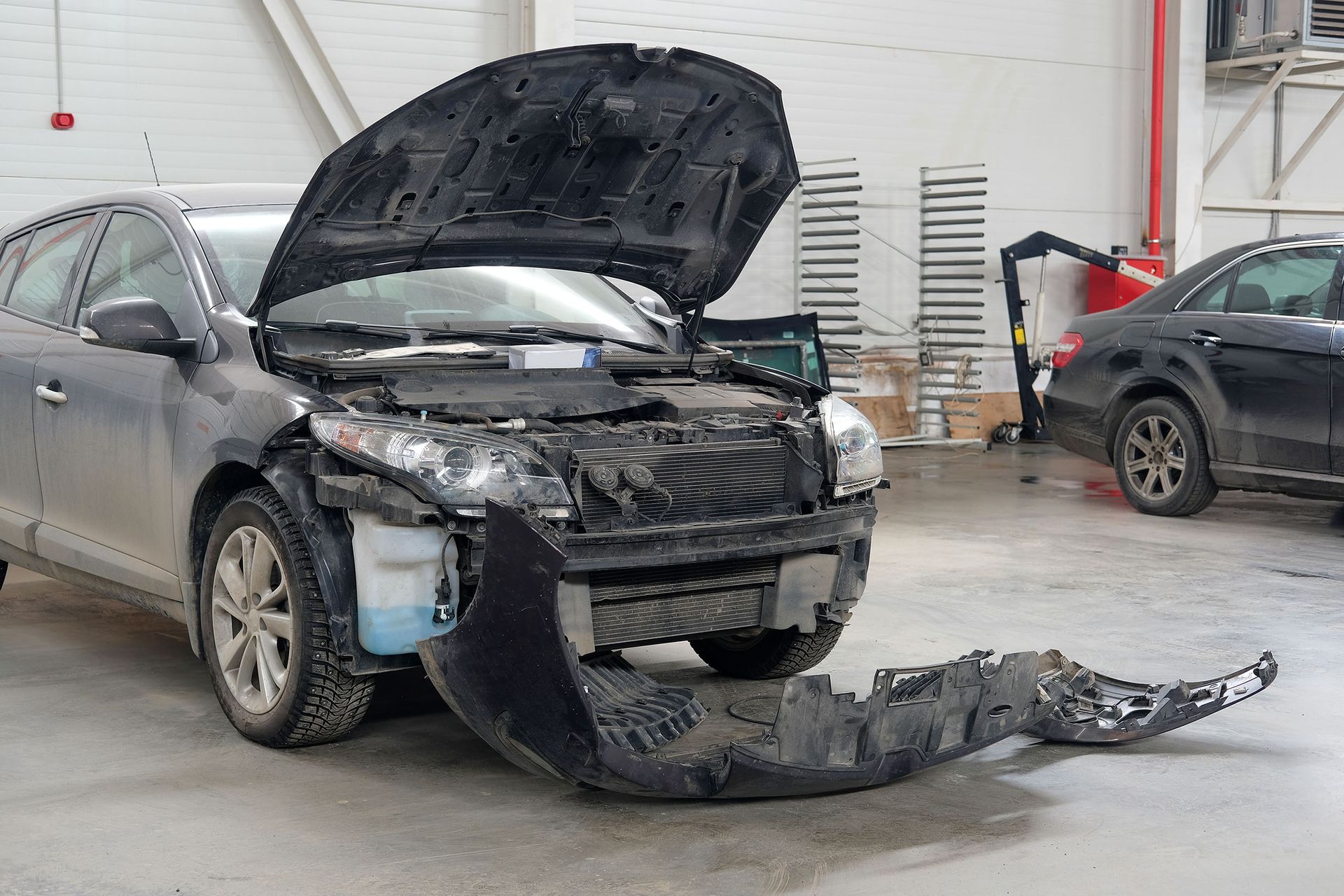
The components that power ADAS often sit in the areas most likely to take a hit. Front and rear bumpers absorb the impact in many common accidents, and they frequently house radar units and parking sensors. Side mirrors get clipped in tight parking lots, and windshields crack from flying debris or the force of a crash. When any of these parts sustain damage, the sensors attached to them can shift out of position.
Damage doesn't have to be dramatic to cause problems. A low-speed fender bender can nudge a radar bracket just enough to throw off its aim, even if the bumper cover looks fine afterward. Structural damage adds another layer of concern. If a collision bends the frame or changes the suspension geometry, the vehicle's thrust angle may shift, which affects how forward-facing systems interpret straight-ahead travel.
Repairs themselves can also affect ADAS performance. Replacing a windshield, bumper cover, or side mirror means removing and reinstalling sensors or swapping them for new ones. Wheel alignment adjustments and suspension work can change the vehicle's ride height and angle. A quality collision repair service accounts for all of these factors and treats calibration as a necessary step rather than an optional add-on.
Knowing When Your Vehicle Needs Calibration
Not every drive after an accident will reveal obvious ADAS problems. Some issues show up right away, while others only become apparent at the worst possible moment. Paying attention to warning signs can help you catch problems early.
Dashboard warning lights are one of the clearest indicators. Many vehicles display a message when a camera or sensor can't function properly, such as a notice that lane assist or collision warning is unavailable. You might also notice your adaptive cruise control braking for no reason or failing to maintain a safe following distance. Lane-keeping systems may tug the steering wheel unexpectedly or fail to engage at all. Blind-spot alerts might activate when no vehicle is present or stay silent when one is.
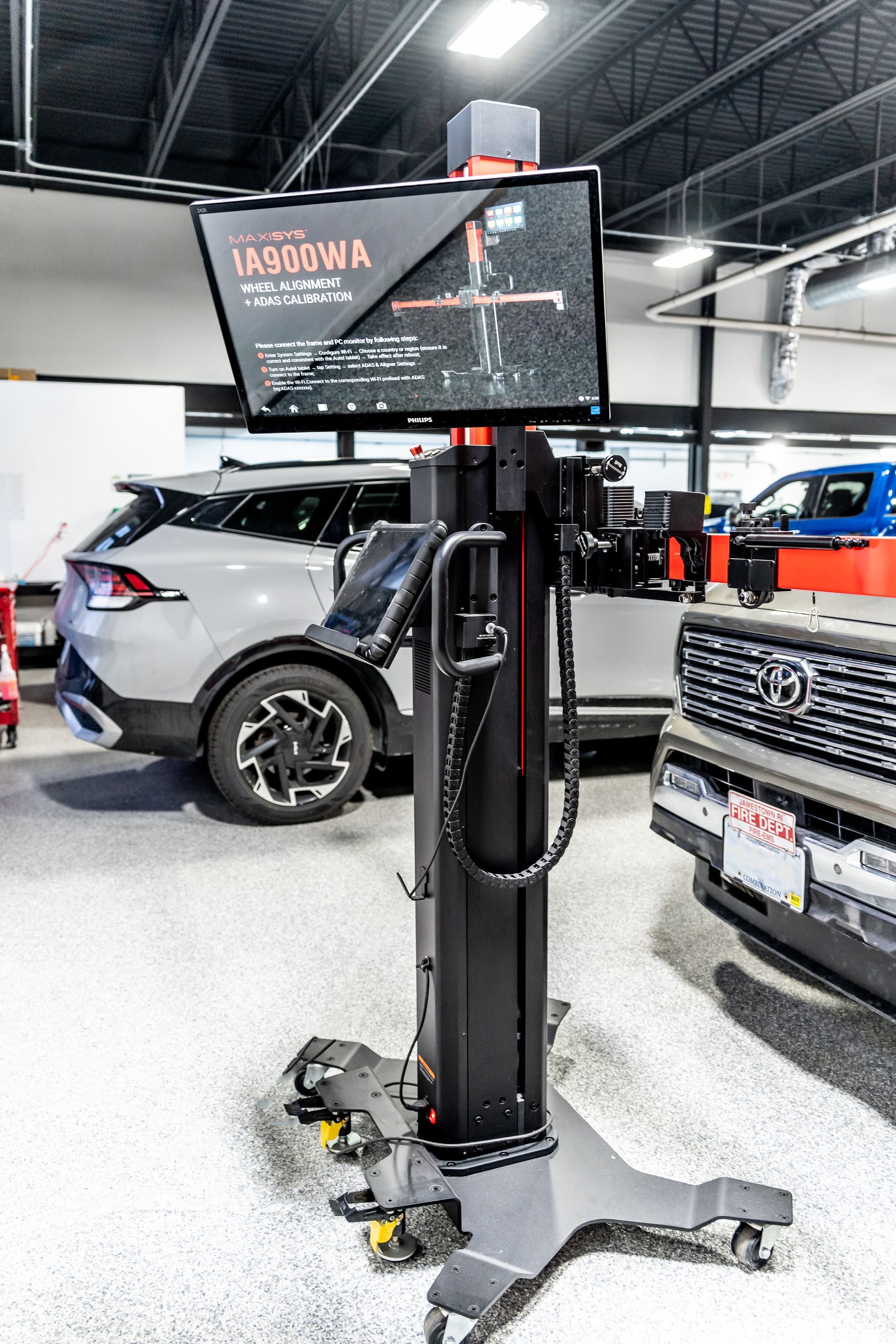
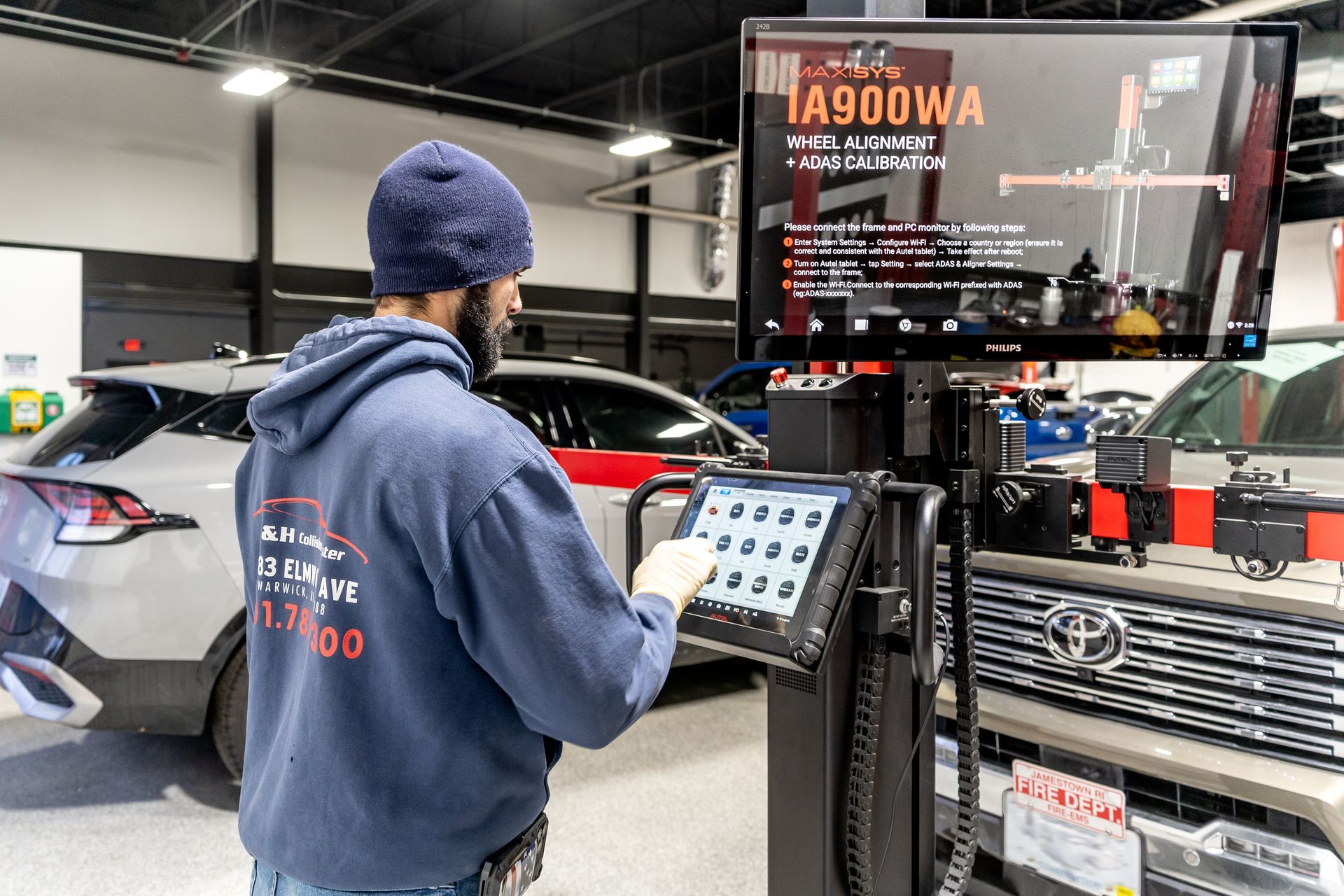
Even without symptoms, calibration is often necessary after certain types of work. Most manufacturers require it after windshield replacement, bumper repair or replacement, wheel alignment, suspension repairs, and any work that involves removing or disturbing a sensor. A professional collision repair service will begin with a pre-repair diagnostic scan to identify stored fault codes and follow up with a post-repair scan to confirm that every system communicates correctly. This approach removes the guesswork and verifies that your vehicle meets factory standards before you drive it home.
Avoiding the Risks of Skipping Calibration
Driving with uncalibrated ADAS can be more dangerous than driving without it entirely. When these systems work correctly, drivers learn to rely on them. If automatic emergency braking triggers at the wrong moment, a sudden, unnecessary stop on the highway can lead to a rear-end collision. If it responds too late, the system may never stop the car at all. Even a system that only works part of the time creates unpredictable behavior that puts you and others on the road at risk.
False confidence is a major part of the risk. A driver who assumes the blind-spot monitor is working may change lanes without a careful shoulder check. Someone who leans on lane-keeping assist during a long drive may let their attention drift. When the technology fails quietly, the driver may not realize it until it's too late. In our experience, many drivers don't notice that a system has stopped working properly until a near miss forces them to pay attention.
There are financial considerations, too. An improperly calibrated system could complicate future insurance claims and may affect your vehicle's resale value. Many insurance providers recognize calibration as a standard part of post-accident repairs, so it's worth asking whether your claim covers it. Choosing a collision repair service that builds calibration into its repair plan helps protect your safety, your finances, and your peace of mind.
Choosing Professionals for Accurate Calibration
ADAS calibration isn't a do-it-yourself job, and not every repair facility can handle it. The process requires advanced scanning tools, manufacturer-specific software, precise targets, and a controlled environment with level floors and proper lighting. Some systems require static calibration inside the shop, while others need dynamic calibration during a road test under specific conditions. Many vehicles need both.
Technician training matters just as much as equipment. According to Wrench Way, more than 592,000 automotive technicians were employed across the United States as of 2023. However, general vehicle maintenance and advanced safety system calibration call for different skill sets, and not every technician has the training to perform this work accurately. Look for a shop with industry certifications, ongoing training, and a track record of following manufacturer repair procedures.
When you compare options for a collision repair service, ask how each shop handles ADAS. Does it perform scans before and after repairs? Does it calibrate according to manufacturer specifications? Will it explain which systems it checked and confirm that each one passed? Clear answers to these questions signal a team that takes your safety seriously. A reputable collision repair service will make sure your vehicle leaves the shop not only looking like new but also performing the way its manufacturer intended.
Your vehicle's safety systems are only as dependable as their calibration. A collision can knock sensors and cameras out of alignment without leaving obvious clues, and skipping calibration leaves you relying on technology that may not work when you need it most. When you schedule a collision repair service, make sure calibration is part of the plan so your car regains both its appearance and its ability to protect you.
At D&H Collision Center, we provide a complete collision repair service that includes advanced diagnostic scanning and manufacturer-specific ADAS calibration for all makes and models. Our family-owned team in Warwick, RI, has served local drivers since 1983, and we back our work with a lifetime warranty. Contact us today at (401) 234-4044 to request a free estimate and get back on the road with confidence.