October 29, 2026
Whether you were in a minor fender bender or a serious crash, the hours and days after an accident can leave you with more questions than answers. Beyond the stress of the moment, you have to figure out what your vehicle actually needs to get back to a safe, reliable condition. According to Forbes, car accidents account for 61% of all personal injury cases, which shows just how often drivers deal with the aftermath of a collision. Knowing what to expect from auto body services can help you make informed decisions and feel more confident throughout the repair process. Below, you'll find a breakdown of the repairs vehicles most often need after an accident and why each one matters for your safety and your car's long-term value.
Repairing Damaged Bumpers
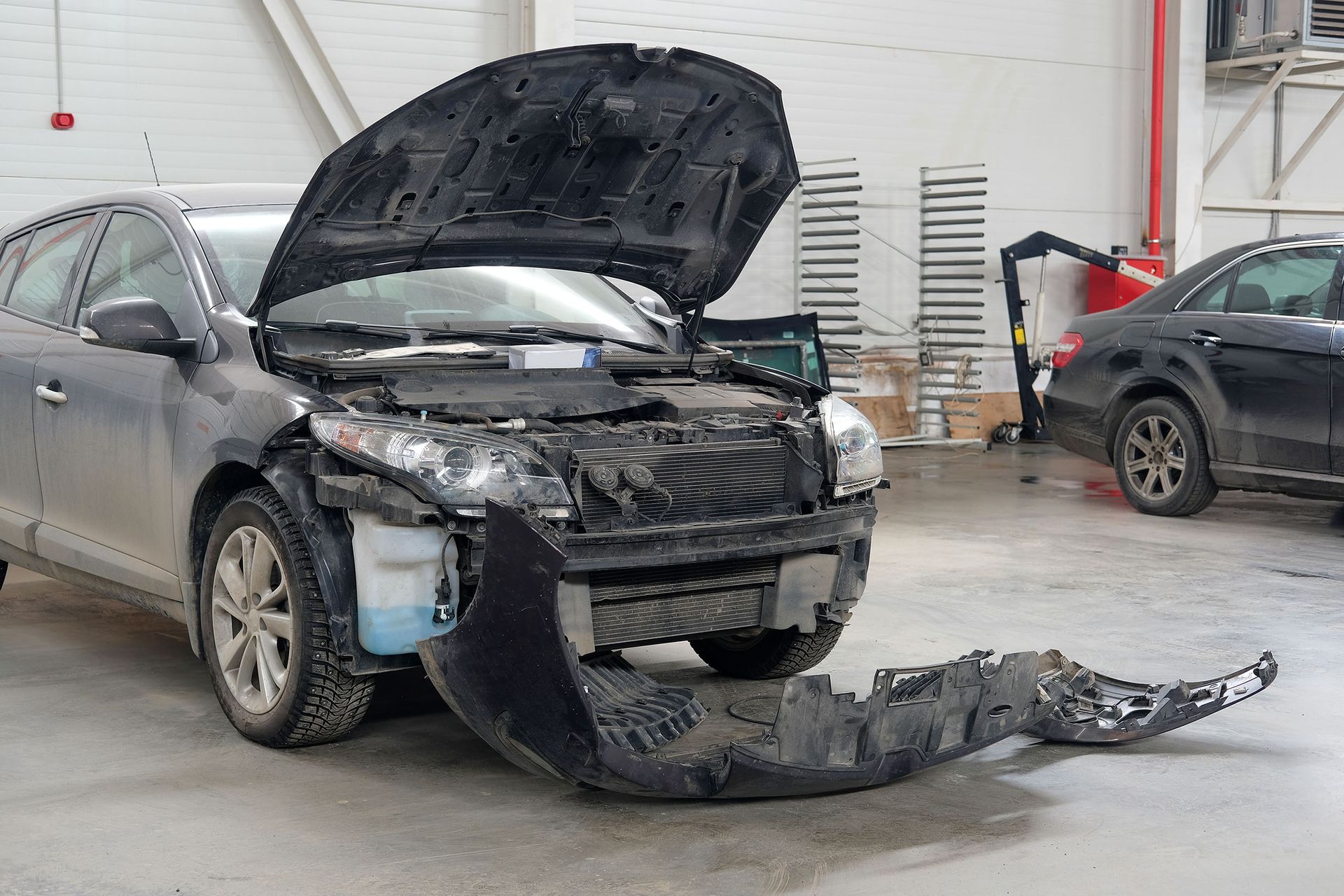
Bumpers take the brunt of many collisions, especially rear-end crashes and low-speed impacts in parking lots. Even when the damage looks minor, a bumper can hide cracked mounting brackets, crushed energy absorbers, or damaged sensors behind the cover. Technicians carefully evaluate whether the bumper can be repaired through filling, reshaping, and refinishing or whether it needs a full replacement.
Repair often makes sense for small cracks, scuffs, and shallow dents, while replacement is usually the better option when the structure behind the cover has failed. Many modern bumpers also house parking sensors and radar units, so the repair has to account for those components as well. Professional auto body services make sure your bumper looks right and still absorbs impact the way the manufacturer intended, which protects you and your passengers if another collision happens down the road.
Restoring Bent or Misaligned Frames
Frame damage is one of the more serious outcomes of a collision, and it isn't always obvious at first glance. A bent frame or unibody structure can cause uneven panel gaps, doors that don't close properly, premature tire wear, and a vehicle that pulls to one side. More importantly, it compromises how well your car protects you in a future crash.
Technicians use computerized measuring systems to compare your vehicle's dimensions to factory specifications. They then use frame-straightening equipment to pull the structure back into its correct position. This work requires a high level of precision, since even small deviations can affect handling, alignment, and safety. Frame repair isn't a do-it-yourself job, and it's one of the biggest reasons why choosing auto body services from a certified shop matters so much after an accident.
Fixing Dented Body Panels
Doors, fenders, quarter panels, and hoods frequently absorb impact during sideswipes and fender benders. Depending on the severity of the damage, technicians may reshape the metal, apply body filler, and refinish the surface, or they may replace the panel entirely. Shallow dents with intact paint often respond well to repair, while deep creases and torn metal usually call for more extensive work.
Modern vehicles also use a mix of steel, aluminum, and other materials, and each one requires different tools and techniques. Aluminum, for example, needs dedicated equipment to prevent cross-contamination and corrosion. Quality auto body services account for these differences so the repaired panel fits correctly, lines up with the surrounding body, and holds up over time. A panel that looks fine but sits slightly out of place can lead to wind noise, water leaks, and rust later on.
Matching and Refinishing Paint
Almost every collision repair ends with paint work. Even a perfectly repaired panel will stand out if the color doesn't match the rest of the vehicle. Factory paint fades and shifts slightly as a car ages, so technicians can't simply look up a color code and start spraying. Instead, they use color-matching tools and test panels to find the exact shade, then blend the new paint into adjacent panels for a seamless finish.
Proper refinishing also protects the metal underneath. Technicians prepare the surface carefully, sanding and cleaning it so the new paint bonds properly. Fresh layers of primer, base coat, and clear coat then seal the repair against moisture, which helps prevent rust from forming in the damaged area. When you invest in auto body services after an accident, a precise paint match preserves your vehicle's appearance and helps protect its resale value.
Replacing Cracked or Shattered Auto Glass
Windshields and side windows often crack or shatter during collisions, and damaged glass is more than a visibility issue. Your windshield contributes to your vehicle's structural strength, supports proper passenger-side airbag deployment, and helps keep the roof from collapsing in a rollover. A compromised windshield can't do those jobs effectively. Small chips can also spread into larger cracks over time, especially with temperature swings and road vibration, so it's wise to address glass damage quickly.
Replacement involves removing the damaged glass, preparing the opening, and installing new glass with the proper adhesive and cure time. Many newer vehicles also mount cameras on the windshield, which means glass replacement often ties directly into the next repair on this list. Including glass replacement in your auto body services ensures that every part of the repair works together the way it should.
Recalibrating Advanced Safety Systems
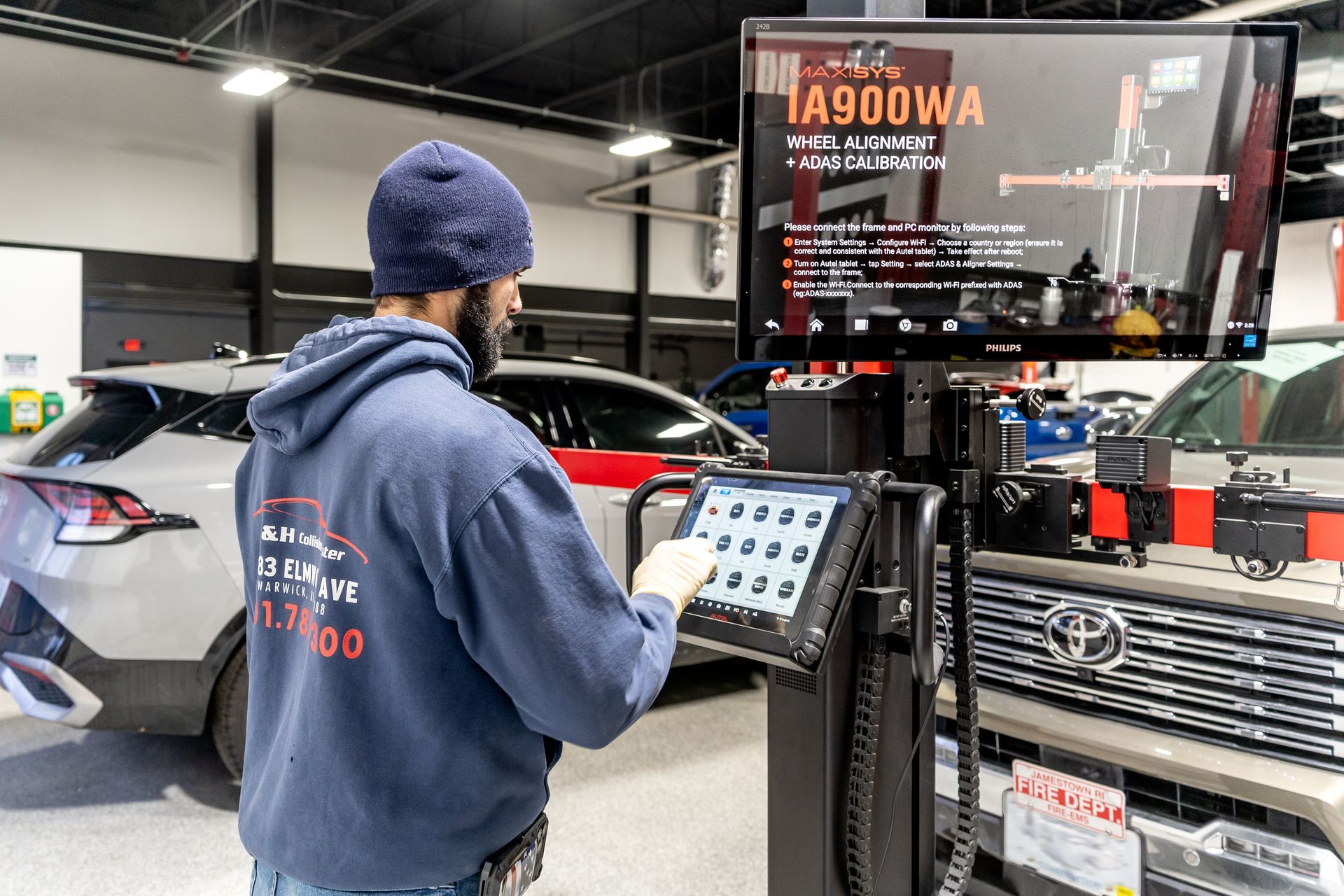
Lane departure warnings, automatic emergency braking, adaptive cruise control, and blind-spot monitoring all rely on cameras and sensors placed throughout the vehicle. A collision can knock these components out of alignment, even when the visible damage seems minor. Replacing a bumper, windshield, or side mirror can also require recalibration afterward.
Technicians perform pre- and post-repair diagnostic scans to identify stored fault codes and confirm that every system communicates correctly. They then calibrate cameras and sensors to manufacturer specifications. Even a slightly misaligned sensor can misjudge the distance to the car ahead, and skipping this step can leave a safety feature responding late or not at all.
Repairing Suspension and Steering Components
Striking another vehicle, a curb, or a guardrail can damage control arms, tie rods, struts, and other suspension parts. Warning signs include an off-center steering wheel, vibration at higher speeds, clunking noises over bumps, and a car that drifts out of its lane. These problems affect how your vehicle handles in an emergency, so you shouldn't ignore them.
Some suspension damage stays hidden until a technician puts the vehicle on a lift, which is why a thorough inspection after any collision is so important. Technicians inspect the suspension and steering systems, replace bent or broken parts, and perform a wheel alignment to restore proper handling. Comprehensive auto body services that address mechanical damage alongside body repairs mean you drive away in a car that both looks and feels the way it did before the accident.
After an accident, your vehicle may need several of these repairs at once, and each one plays a role in restoring its safety, performance, and appearance. Understanding the process helps you ask the right questions, review estimates with confidence, and recognize the value of having trained professionals handle the work. A professional shop has the equipment, training, and manufacturer certifications to get every detail right.
If your vehicle needs repairs after a collision, our team at D&H Collision Center is here to help. We offer comprehensive auto body services, from bumper and frame repair to paint matching, glass replacement, and safety system calibration, all backed by our lifetime warranty. We also provide free estimates and insurance claims assistance to make the process as smooth and stress-free as possible. Contact us to schedule your repair and get back on the road with confidence.