July 15, 2026
Every year, vehicles are involved in accidents that range from minor scrapes to severe collisions. What's crucial after these collisions is ensuring that vehicles are meticulously repaired to restore their initial functionality and appearance. Collision repair services are essential in addressing the aftermath of vehicular accidents, ensuring safety and longevity on the road. This article will explore the common parts repaired or replaced during collision repair, diving deep into each component's role and the processes involved.
What Are the Most Common Car Parts Repaired After a Collision?
Body Panels
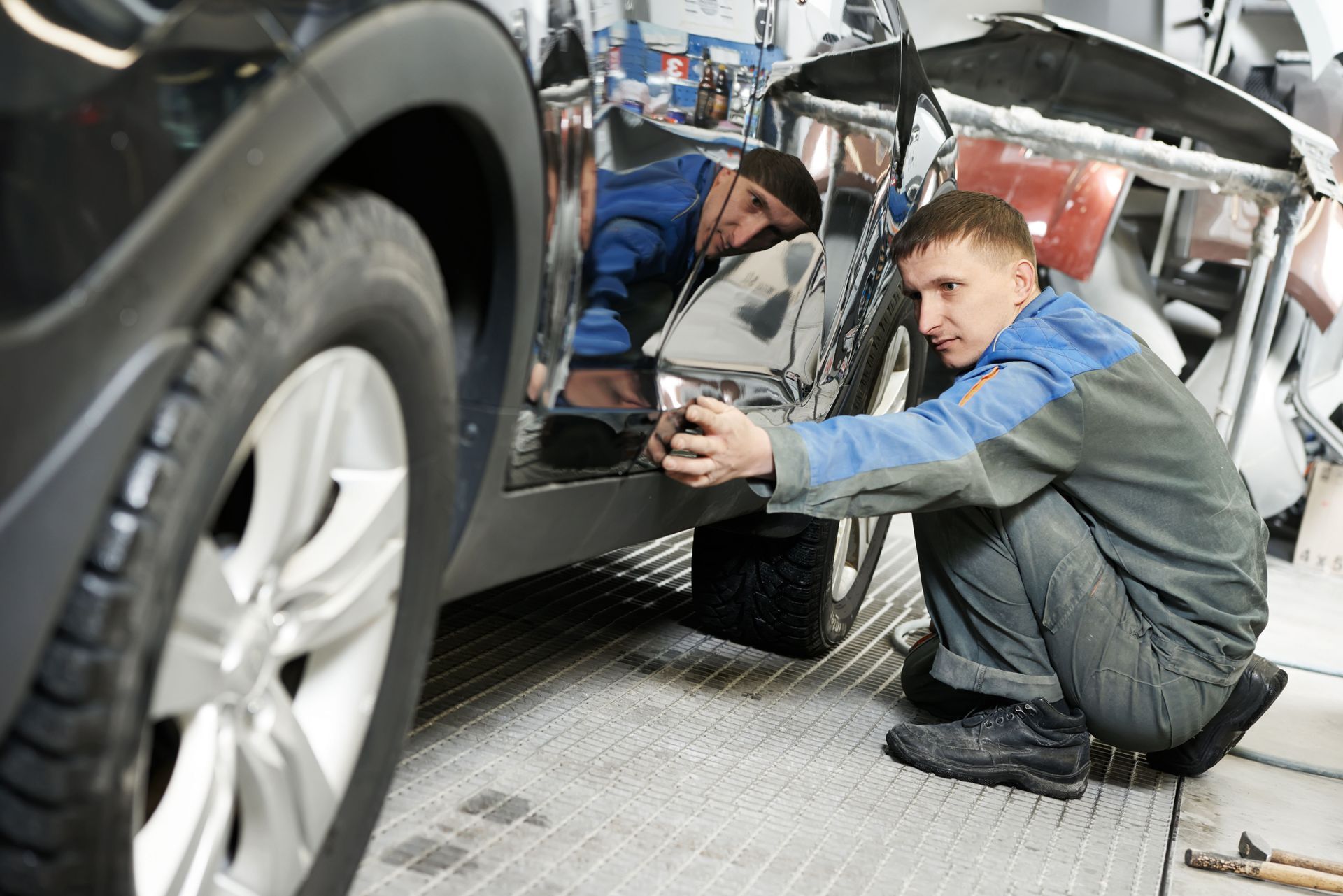
The body panels of a vehicle act as the protective shield and aesthetic feature while ensuring structural integrity. During an accident, they are often the first parts to absorb impact, sustaining dents, scratches, or even severe dents. Repairing these panels involves reshaping them, replacing damaged sections, or repainting to match the vehicle's original color. Skilled technicians employ various tools to meticulously restore these panels, preserving the vehicle's aesthetic appeal while maintaining its protective capabilities.
Choosing the right repair technique depends on the extent of the damage. Minor dents may only require simple reshaping or filling before applying a fresh coat of paint. However, severe impacts might necessitate panel replacement, which can often be a time-consuming and meticulous process. Regardless of the damage, body panels play a pivotal role in the overall structure of a vehicle, meaning that even the slightest mishandling during repair could lead to compromised safety.
The durability of repaired or replaced body panels can have long-lasting consequences on the vehicle's lifespan. Given that the average vehicle on American roads is now nearly 13 years old, as per Kelley Blue Book, ensuring these panels are properly fixed is economical for the vehicle owner in the long run. Regular maintenance and timely collision repair services help extend the usefulness of such vehicles, emphasizing the importance of efficient body panel repair and replacement.
Bumpers
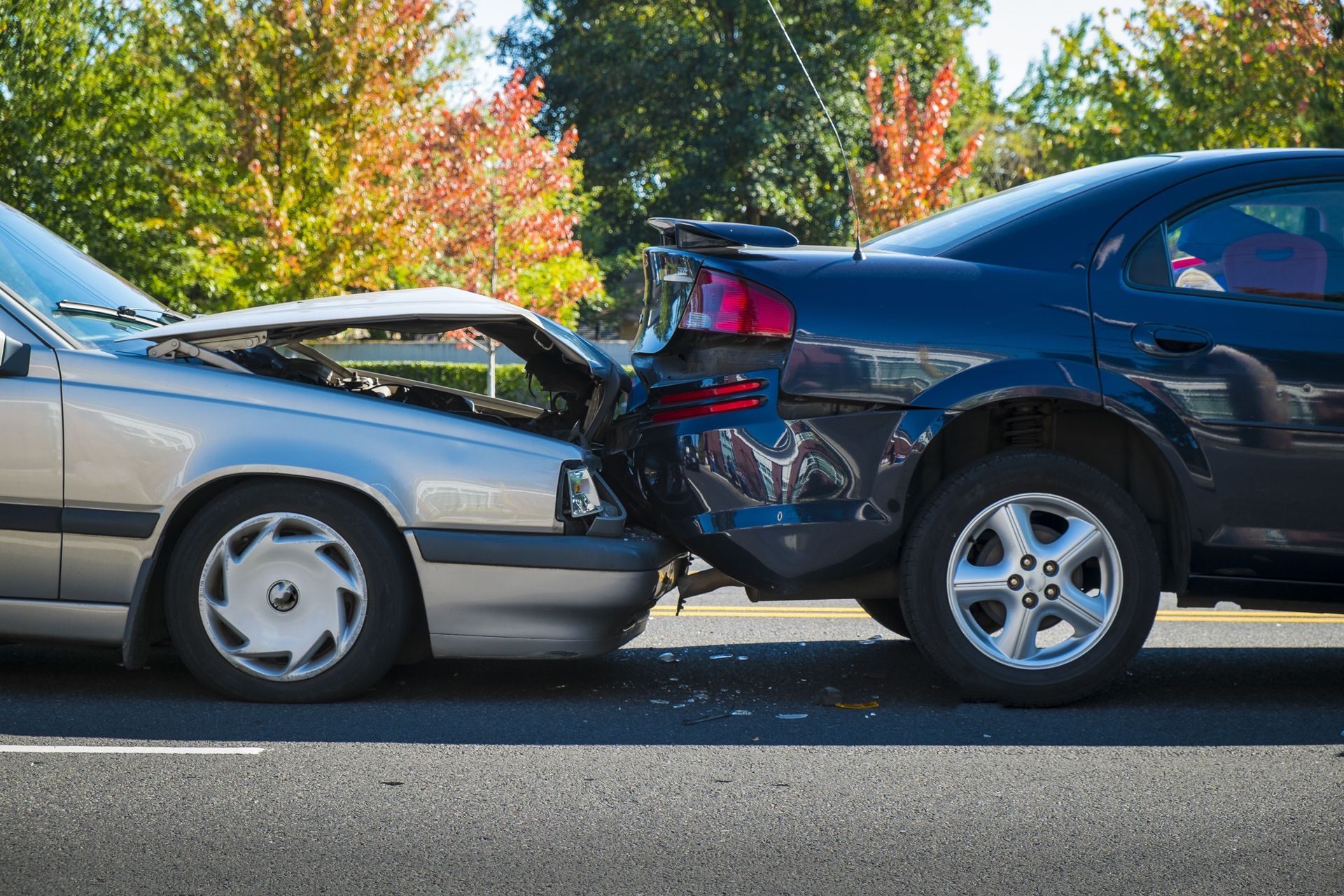
Bumpers serve as protective barriers that reduce the impact force during minor collisions. They often take the brunt of the damage during crashes, becoming dinged, cracked, or even detached entirely. Repairing bumpers involves a strenuous assessment of damage, wherein options may include polishing, filling, or complete bumper replacement. The primary goal during these repairs is to ensure that the bumpers regain their original impact-absorbing properties, which are essential for safety.
The repair processes for bumpers have evolved substantially, involving advanced materials and techniques such as polyurethane fillers and advanced adhesives. Correct alignment and attachment are crucial to ensure they perform effectively if another collision occurs. Additionally, color-matching and painting repaired bumpers is critical to maintain the vehicle's aesthetic integrity post-repair.
Bumpers should be restored not just for aesthetics but to deliver the same level of protection as before. Given the advanced age of many vehicles, as highlighted by the average age of nearly 13 years, reliable bumper repair becomes even more pertinent. Aged vehicles may lack modern safety features, making the condition of their bumpers and other key components even more critical for their continued safe operation.
How Is the Frame of a Vehicle Repaired?
Frame Straightening
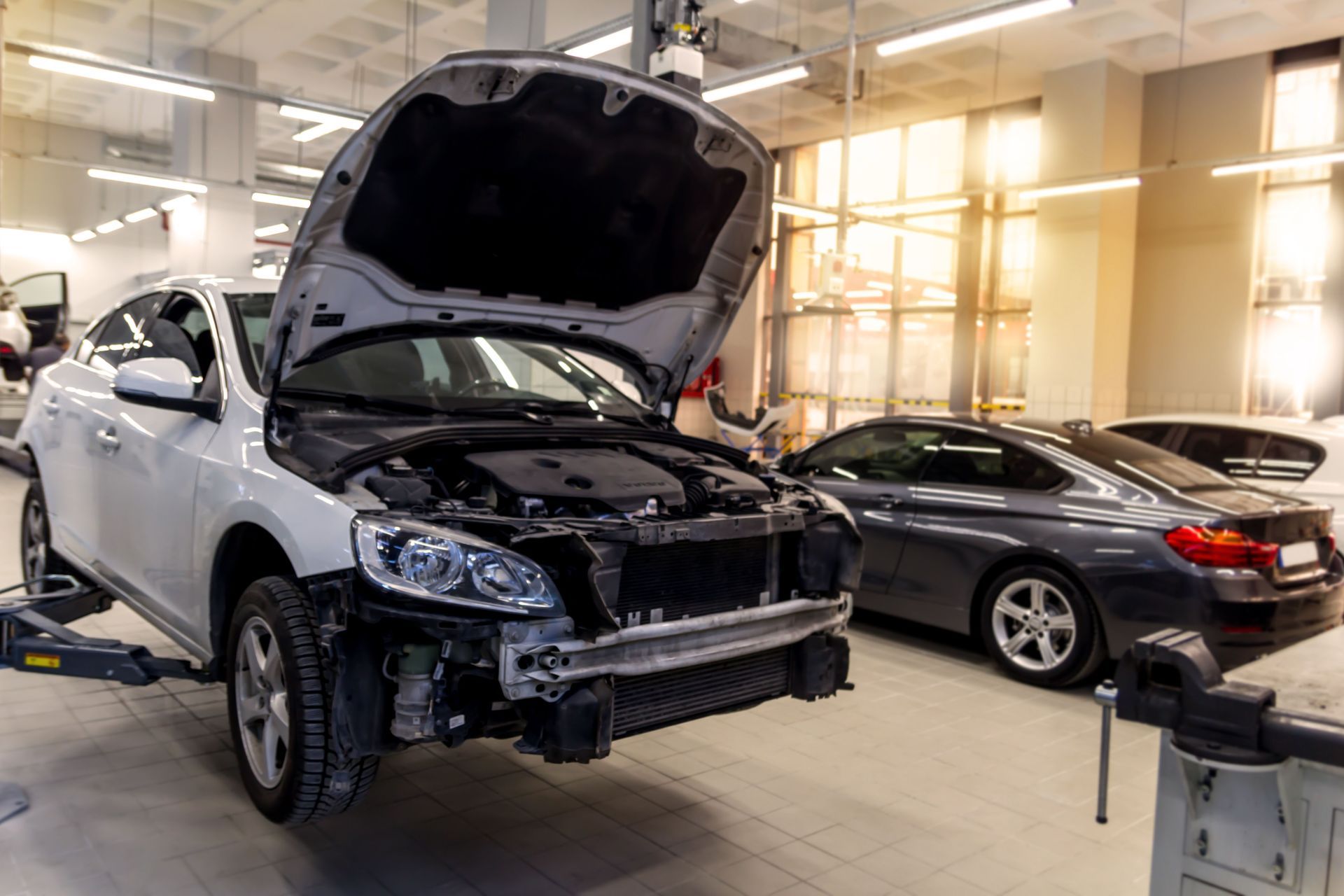
The vehicle frame is a fundamental part of overall safety, providing structural support to the entire vehicle. Collisions often disrupt frame alignment, causing the vehicle to drift or affecting its capability to absorb impacts. Frame straightening is a meticulous process that involves realigning damaged frames using hydraulic systems and precision tools. Technicians scan frames with computer-aided measuring systems to ensure accurate alignment that matches factory specifications.
This repair ensures that the frame can once again perform its critical safety function. Restored alignment helps prevent future mechanical issues that can arise from a misaligned frame, such as uneven tire wear or steering challenges. Ensuring frame stability is not just about preservation; it's about guaranteeing safety in subsequent trips and potential collisions.
With vehicles now lasting longer on the road—averaging nearly 13 years—it becomes imperative that frame repairs are executed perfectly. Aging vehicles may have pre-existing wear that complicates straightforward repairs, requiring extra attention to ensure lasting outcomes. When done correctly by a collision repair service, frame repairs can extend the vehicle's life and restore its safety features to original conditions.
Structural Assessments
Structural assessments play a pivotal role in the collision repair process, focusing on evaluating the vehicle's overall integrity. Technicians begin by thoroughly inspecting the frame and related components for signs of distress or misalignment, critical in determining the right approach to repairs. These assessments involve advanced methods like laser measuring and computerized diagnostic tools to ascertain the extent of structural impacts.
The importance of these assessments is paramount as they inform the entire repair process. A vehicle with compromised structural integrity poses significant safety risks, potentially endangering passengers in the event of another accident. Addressing these issues head-on can save lives, restore the vehicle's original performance, and improve its longevity.
Given the increasing average vehicle age, ensuring structural assessments during repairs is more critical than ever. With older vehicles, underlying issues can escalate quickly if not properly diagnosed and repaired. Complete and thorough assessments ensure that even aging vehicles meet safety standards and can stand the test of time on the roadways.
What Paint Repairs Are Needed After a Collision?
Color Matching
Accurate color matching can be one of the most challenging tasks in vehicle repair, particularly after a collision. This process involves evaluating the vehicle's pre-existing paint and closely replicating it to achieve a seamless look following repairs. Technicians utilize spectrophotometers and other digital measurement tools to create perfect paint blends that disguise the prior damage. The significance of color matching extends beyond just appearance, reflecting the expertise of the collision repair service professionals and affirming a comprehensive repair.
Achieving an exact color match involves understanding the original paint composition, which might have faded over time due to environmental factors. This fading must be accounted for, ensuring a uniform surface once all repairs are complete. By engaging advanced technologies, repair shops can reliably reproduce original shades, often undetectable to the untrained eye.
For vehicles, which on average are nearly 13 years old according to Kelley Blue Book, as noted by Kelley Blue Book, exact color matching blends new repairs with aging parts seamlessly. A uniform finish helps maintain the vehicle's market value and provides peace of mind for owners. Through accurate color matching, collision repair service providers bring vehicles back to life while ensuring aesthetic continuity.
Scratch and Dent Removal
Scratch and dent removal are central to restoring a vehicle's surface aesthetics and involve various tried-and-tested techniques. Paintless Dent Repair (PDR) and traditional dent removal techniques are among the most common methods used in addressing these surface imperfections. Each method has its own advantages, with PDR being favored for maintaining original paint coatings, whereas traditional methods are apt for extensive damages requiring refinishing.
Implementing these methods relies heavily on technician skill and the application of suitable tools, achieving a level of precision that restores the pre-collision aesthetics. The exact approach will depend on the dent's severity and location, with skilled technicians often combining techniques to ensure high-quality outcomes. Repairs are applied with an eye towards minimal disruption to the existing paintwork, preserving the vehicle's original beauty whenever possible.
Collision repair services play a critical role in ensuring that damaged, older vehicles maintain their aesthetic allure. As vehicles age, maintaining their appearance becomes essential to preserving resale value and owner satisfaction. Protecting these investments through skillful scratch and dent removal supports both cosmetic and functional aspirations for vehicle upkeep.
Understanding the collision repair process is essential for vehicle owners, illuminating the extensive work involved in restoring a vehicle after an accident. Communication with your repair provider and insurance company can ensure a smoother and more effective repair process. With vehicles now averaging nearly 13 years on American roads, the detail and precision of these repairs are paramount. Leveraging expertise, cutting-edge technology, and premium materials ensures that vehicles are returned to peak performance and appearance with utmost safety.
Prioritizing a comprehensive collision repair service ensures your vehicle remains a reliable companion on the road for many more years. Reach out to D&H Collision Center today to see how we can help you!