October 28, 2026
A collision can leave you shaken, frustrated, and unsure of what to do next. Even after the initial shock wears off, the decisions you make in the days and weeks that follow can affect your safety, your finances, and the long-term value of your vehicle. According to Auto Insurance, 12% of American drivers have been at fault in a car accident within the past five years, which means plenty of people find themselves navigating the repair process with little preparation. Unfortunately, small missteps during this stage can turn a manageable situation into a costly headache. Below, we outline seven common mistakes drivers make after an accident and explain how professional collision repair services help you avoid them and get back on the road safely.
1. Skipping a Professional Inspection
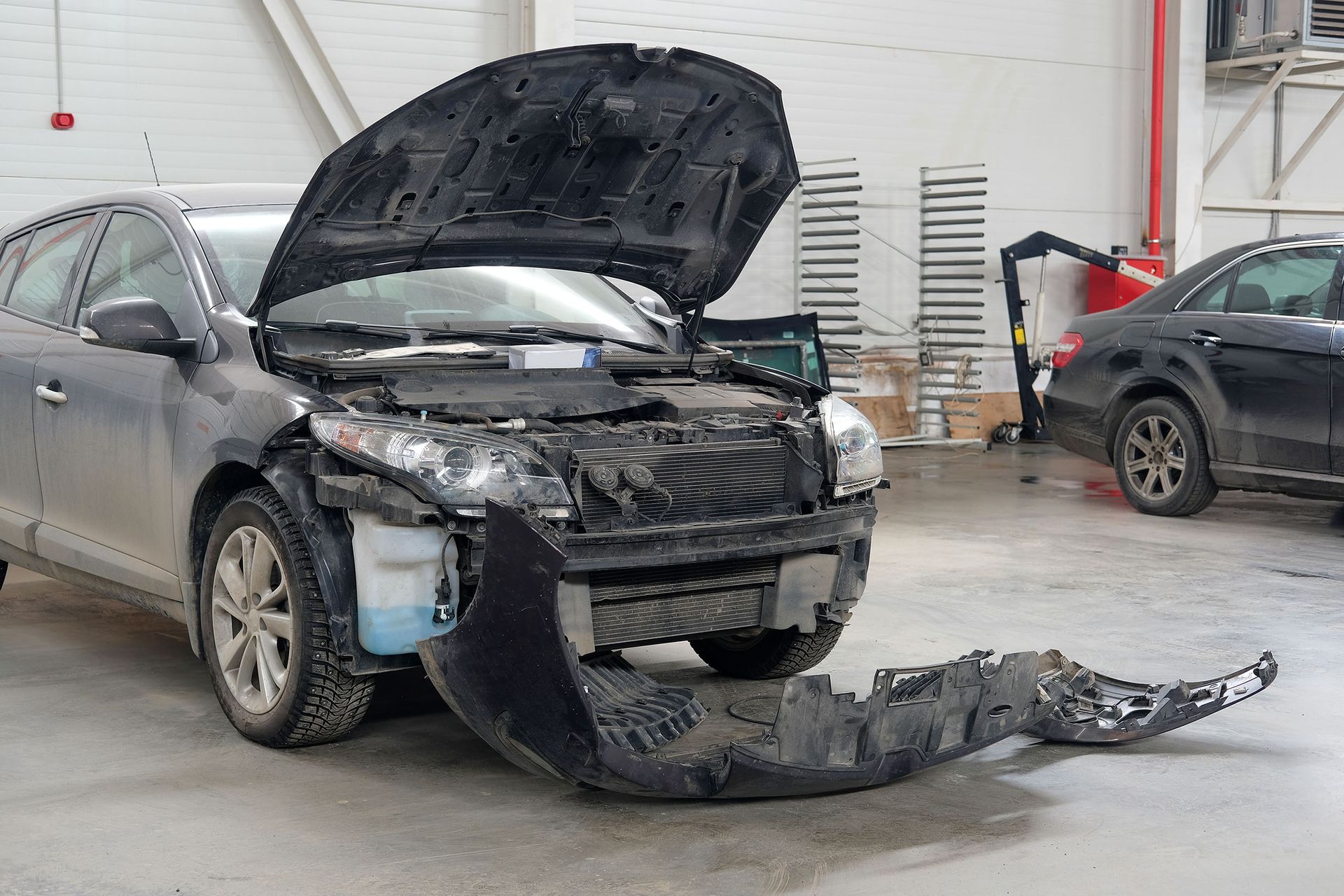
After a minor fender bender, many drivers glance at their bumper, spot only a scratch or small dent, and decide the damage isn't worth addressing. This is one of the most common mistakes we see. Manufacturers build modern vehicles with crumple zones, energy-absorbing foam, and plastic bumper covers that can hide what's happening underneath. A bumper cover can pop back into shape while the reinforcement bar, brackets, or mounting points behind it crack or bend.
Damage you can't see can still compromise how your vehicle protects you in a future accident. It can also lead to misaligned panels, water leaks, and rattles that show up weeks later. A thorough inspection from a shop that offers collision repair services gives you a clear picture of what actually needs attention. Even if the damage turns out to be minor, you'll have peace of mind knowing nothing slipped through the cracks, along with documentation if problems surface down the road.
2. Waiting Too Long to Schedule Repairs
It's easy to put off repairs when your car still runs and life feels busy. However, delays can make a small problem considerably worse. Chipped paint and exposed metal invite rust, especially in New England, where road salt coats the streets every winter. A cracked headlight housing can let moisture in, and a loose panel can catch wind at highway speeds and cause further damage. Small cracks in a windshield can also spread with temperature swings, turning a simple fix into a full replacement.
Waiting can also complicate your insurance claim. Most insurers expect you to report an accident promptly, and some policies include time limits for filing. The longer you wait, the harder it becomes to prove the damage came from the accident in question rather than from wear and tear or a separate incident. Scheduling collision repair services soon after the accident protects both your vehicle and your claim.
3. Choosing a Shop Based on Price Alone
Comparing estimates makes sense, but picking the lowest number without asking questions can backfire. A low estimate may reflect aftermarket or salvaged parts, skipped steps, or technicians without the training to work on today's vehicles. Those shortcuts often lead to mismatched paint, uneven panel gaps, or repairs that fail prematurely.
When evaluating collision repair services, look beyond the bottom line. Ask about technician certifications, the equipment the shop uses, and whether it follows manufacturer repair procedures. A shop with industry training and manufacturer certifications has invested in doing the job correctly, and that investment shows in the finished product. Free estimates make it easy to compare your options without any pressure. Paying a little more upfront often saves you from paying twice later.
4. Assuming Your Insurer Picks the Shop
Many drivers don't realize they have a say in where their car gets repaired. Insurance companies may recommend a preferred shop, and that suggestion can feel like a requirement. In most cases, though, you have the right to choose the repair facility you feel most comfortable with.
Choosing your own shop lets you prioritize quality, communication, and convenience. A shop that offers insurance claims assistance can work directly with your adjuster, document the damage thoroughly, and advocate for the repairs your vehicle actually needs. That support takes much of the stress off your shoulders and helps ensure your claim covers the full scope of necessary collision repair services rather than just the obvious surface damage. Your policy may also include rental coverage, so ask your adjuster about it before the repair begins.
5. Overlooking Frame and Suspension Damage
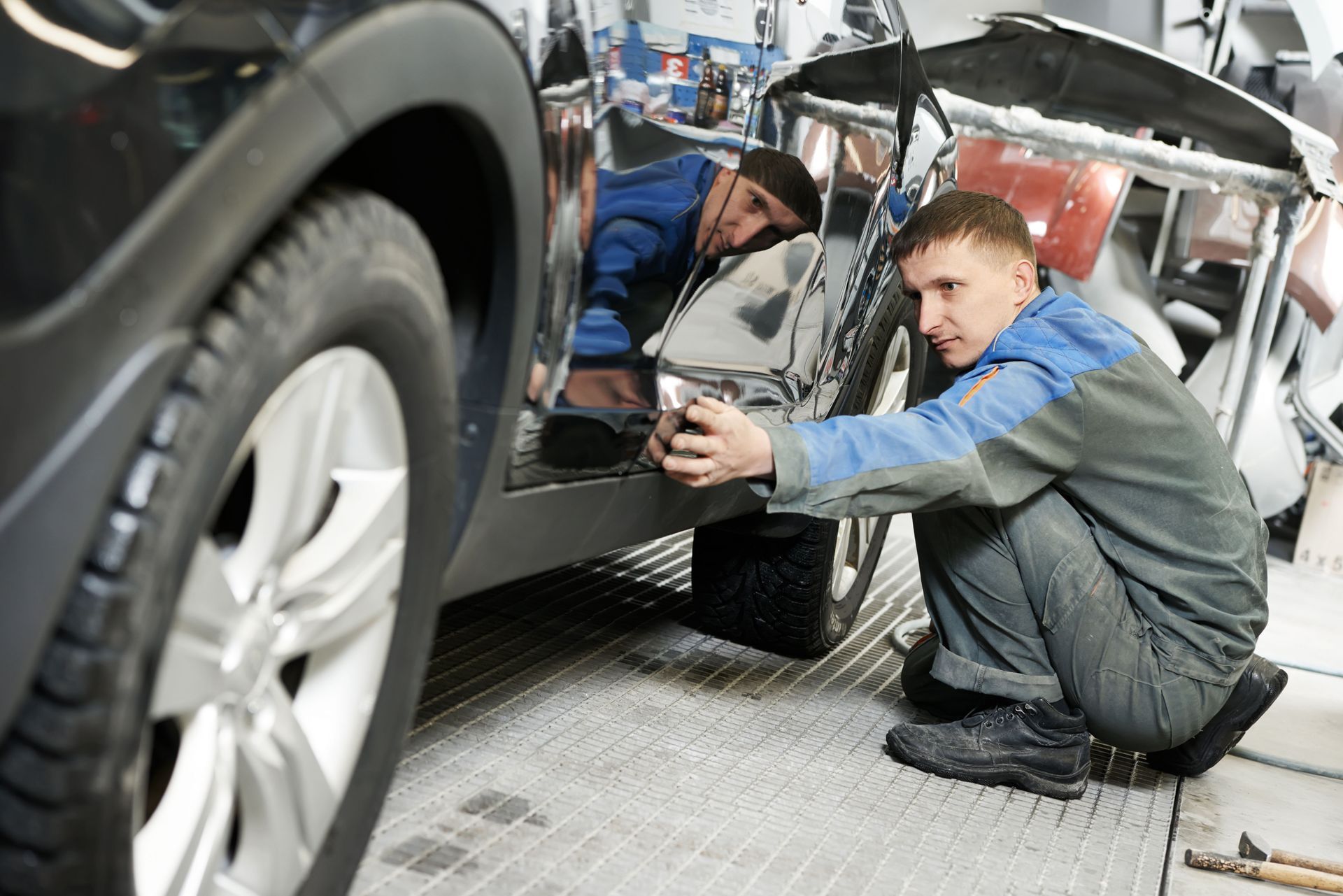
Even a low-speed impact can shift a vehicle's frame or unibody by a fraction of an inch. That might not sound like much, but it can throw off wheel alignment, affect how the doors and trunk close, and change how the vehicle absorbs force in a future crash. Suspension components such as control arms, tie rods, and struts can also bend on impact, especially if a wheel struck a curb or another vehicle.
Signs of hidden structural or suspension damage include the vehicle pulling to one side, uneven tire wear, a crooked steering wheel, or new clunking noises over bumps. Comprehensive collision repair services should include precise frame measurement and alignment, along with a close look at steering and suspension components. Addressing these issues restores the way your vehicle handles and keeps it safe to drive.
6. Ignoring Safety Sensor Recalibration
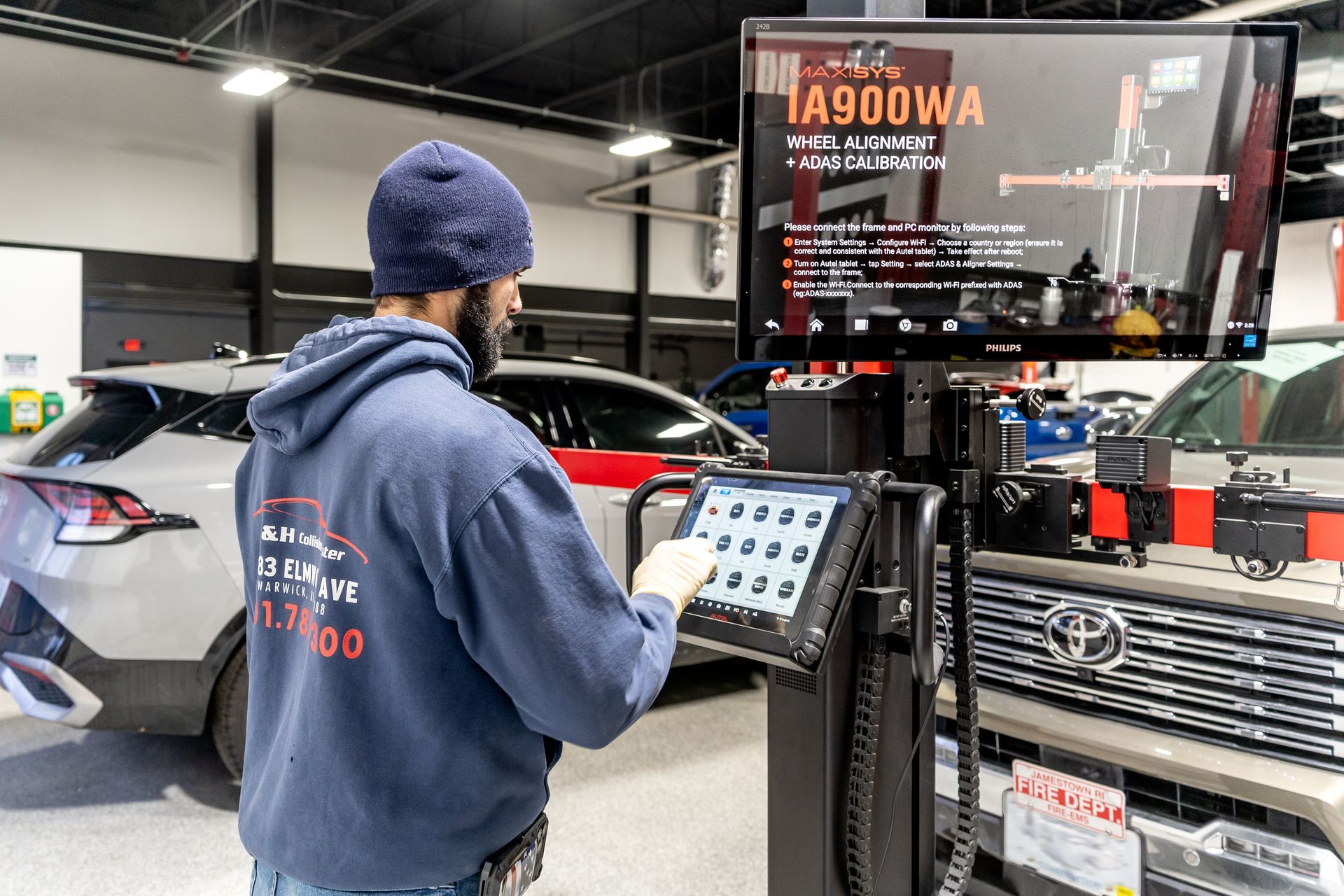
Today's vehicles rely on cameras, radar, and sensors for features like lane-keeping assist, adaptive cruise control, automatic emergency braking, and blind-spot monitoring. Many of these components sit in bumpers, side mirrors, and behind the windshield, which rank among the areas most likely to take a hit in a collision.
If a sensor shifts even slightly, or if a technician replaces a bumper or windshield without recalibrating it, your safety systems may not work as intended. A camera that sits a few degrees off could misread lane markings or fail to detect an obstacle in time. Professional scanning and calibration after any repair ensures these systems communicate correctly and respond accurately. Recalibration requires specialized equipment and manufacturer specifications, so it's not a step to skip or attempt at home. Don't assume your driver-assistance features work properly simply because no warning light appears on your dashboard.
7. Forgetting to Ask About Repair Warranties
Once the car looks good again, most drivers feel eager to pick it up and move on. Before you do, ask what kind of warranty covers the work. A reputable shop stands behind its repairs, and a solid warranty protects you if paint begins to peel, a panel starts to rattle, or a component fails due to workmanship.
Read the terms carefully so you know what the warranty covers and for how long. A lifetime warranty on workmanship signals that a shop feels confident in the quality of its collision repair services. It also gives you a clear path forward if something doesn't seem right months or even years after the repair. Keep a copy of your paperwork with your vehicle records so you can reference it easily.
An accident brings enough stress without adding avoidable mistakes to the mix. By getting a professional inspection, acting quickly, choosing a qualified shop, knowing your insurance rights, checking for hidden structural damage, recalibrating safety systems, and confirming warranty coverage, you set yourself up for a smoother repair and a safer vehicle. The right collision repair services make all the difference in how your car looks, drives, and protects you after an accident.
If you need collision repair services in Warwick, RI, D&H Collision Center is here to help. We've served local drivers since 1983, and our certified technicians handle everything from frame alignment and suspension repair to scanning and calibration. We offer free estimates, insurance claims assistance, complimentary shuttle service, and car rentals to keep you moving, and we back our work with lifetime warranties. Contact us today to schedule your free estimate!