October 15, 2026
A vehicle’s bumper is designed to help absorb impact and protect other components during a collision. Although bumper damage may sometimes appear cosmetic, cracks, loose mounting points, or damage behind the bumper can affect how the vehicle performs in another accident. Having damage properly assessed after a collision can help identify problems that are not immediately visible.
For drivers dealing with collision damage, an experienced auto body shop can determine whether the bumper can be repaired or whether replacement is the more appropriate option. Understanding the difference can also help vehicle owners make informed decisions about repairs, insurance, and long-term vehicle condition.
Knowing the Role of a Bumper in Vehicle Safety
Modern bumpers are engineered to absorb and distribute energy during certain types of impacts. They work alongside other vehicle safety systems to help limit damage and protect occupants. While bumpers are not designed to prevent all collision injuries, maintaining their proper condition is an important part of keeping a vehicle roadworthy. Bumpers can contain several components, including covers, reinforcement bars, energy absorbers, brackets, sensors, and other hardware. Damage to one component can sometimes affect another. For this reason, an inspection should look beyond visible scratches or dents.
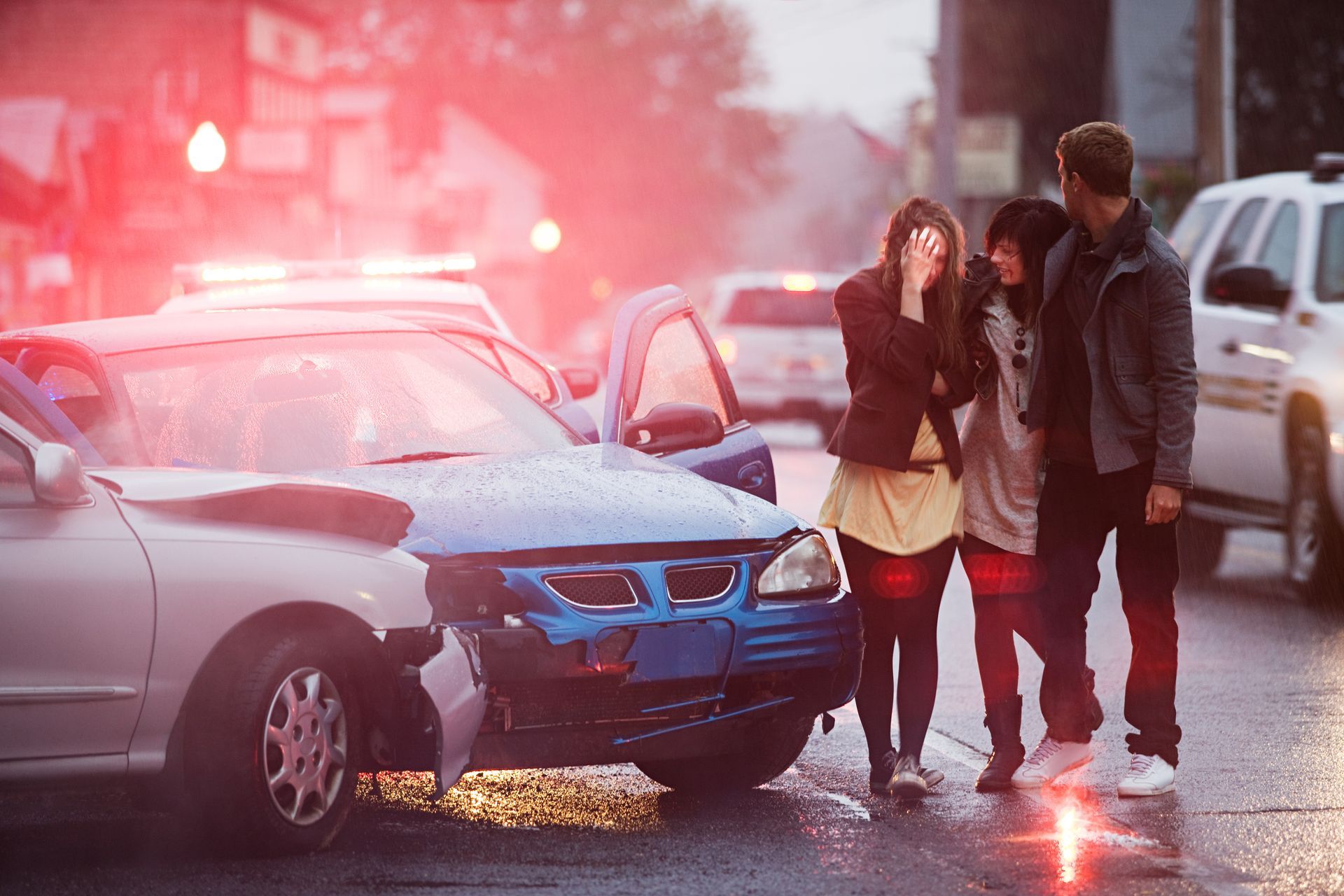
The importance of properly addressing collision damage is especially apparent when considering how frequently crashes occur. According to AAA Foundation for Traffic Safety, a hit-and-run crash happens somewhere in the U.S. every 43 seconds. Whether damage results from a hit-and-run, parking lot incident, or another collision, a professional inspection can help determine the extent of the problem.
Understanding Common Causes of Bumper Damage
Low-speed collisions are among the most common sources of bumper damage. Parking lot impacts, rear-end collisions, and contact with stationary objects can leave behind dents, cracks, scrapes, or displaced bumper components.
Weather and environmental exposure can also contribute to deterioration over time. Sunlight can cause fading and weaken certain materials, while extreme temperatures may make some plastics more susceptible to cracking. Road debris and repeated exposure to moisture can contribute to additional wear. A vehicle involved in a collision should receive an inspection even when the bumper appears to have suffered only minor damage. Hidden damage behind the bumper cover can affect mounting points, reinforcement components, sensors, or nearby body panels.
Assessing Bumper Damage
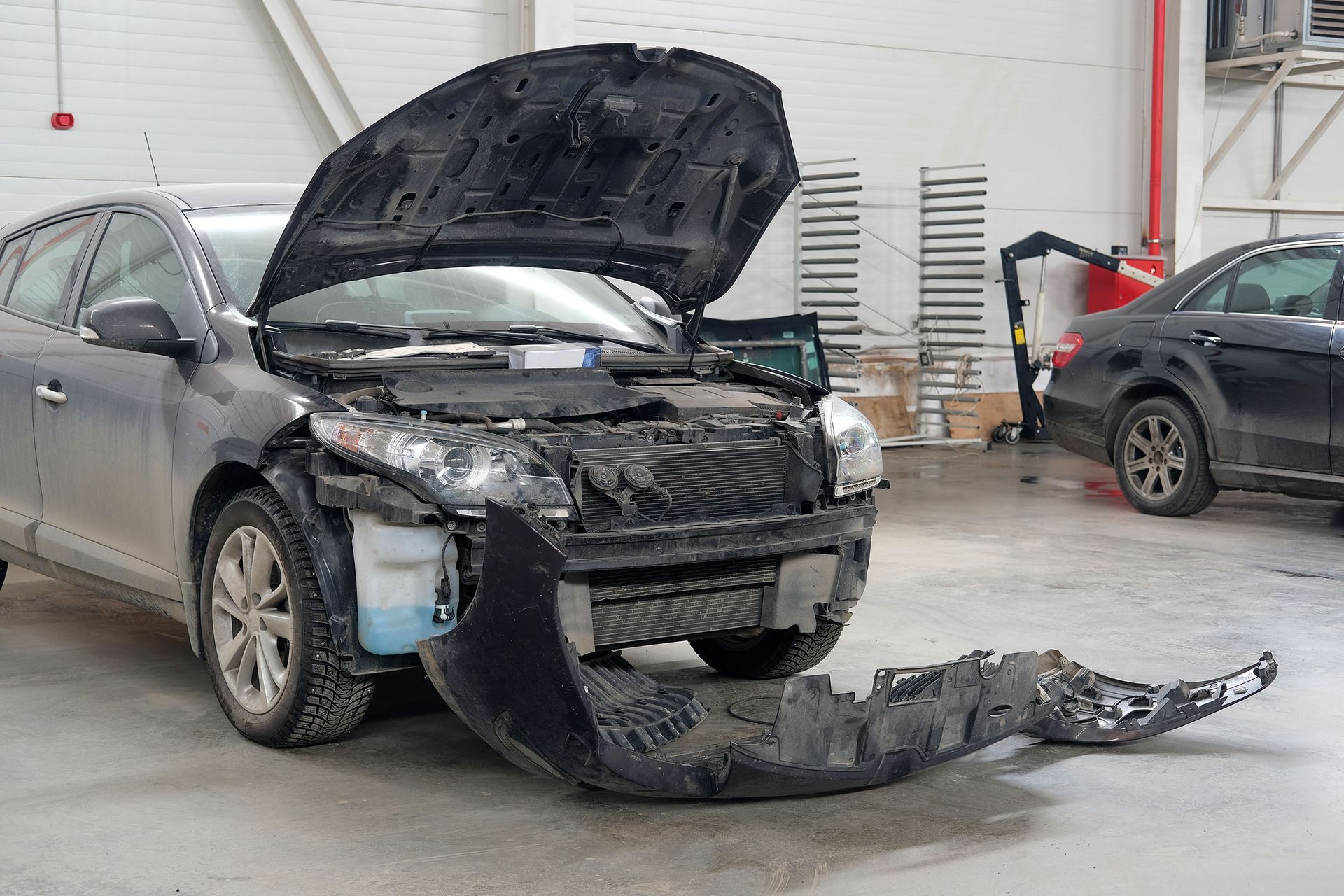
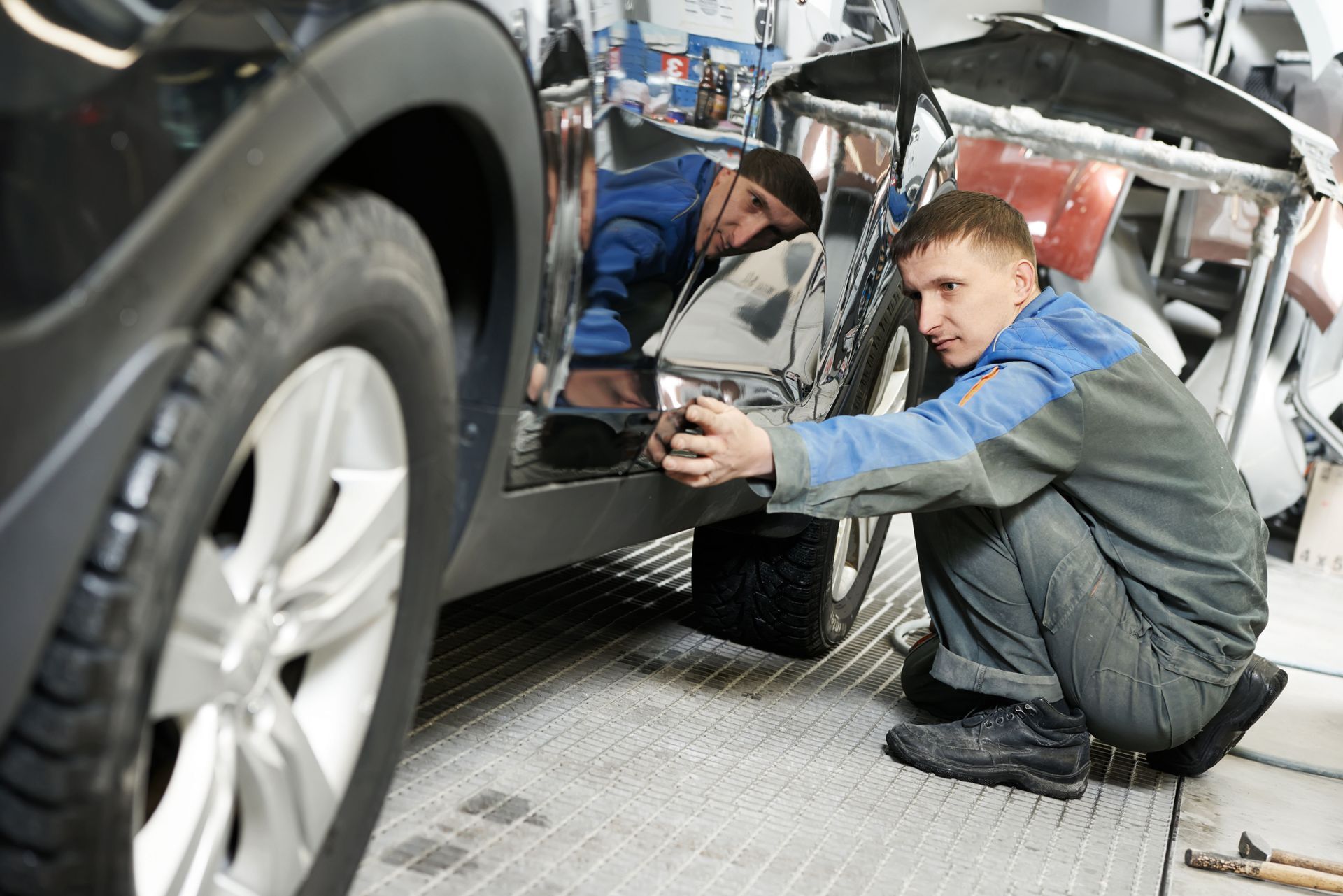
A professional inspection begins with an examination of the bumper and surrounding areas. Technicians look for cracks, dents, scratches, gaps, paint damage, and signs that the bumper has shifted from its original position. They also examine the areas behind the bumper. A collision can damage reinforcement components or mounting hardware without producing obvious exterior signs. If sensors or other safety-related equipment are located near the damaged area, those components may also require inspection.
The extent of the damage determines whether repair or replacement makes more sense. Small cosmetic damage may be repairable, while extensive cracking, deformation, or damage to structural components can make replacement necessary.
A qualified auto body shop can evaluate the vehicle using appropriate equipment and repair procedures rather than relying solely on the visible appearance of the bumper.
Knowing Bumper Repair May Be Appropriate
Repair can be an option when the bumper has limited damage, and its underlying structure remains sound. Depending on the material and extent of the damage, professional technicians may be able to repair cracks, correct certain dents, restore damaged surfaces, and refinish affected areas. Paint repair is another important component of bumper restoration. Modern vehicles often require precise color matching to create a consistent appearance between the repaired bumper and surrounding panels. Proper preparation, paint application, and clear-coat work can help restore the finish. The decision to repair should also consider whether the bumper can continue to provide its intended function. A bumper that looks acceptable but has compromised mounting points or reinforcement components may require replacement instead.
Replacing When It Is the Better Option
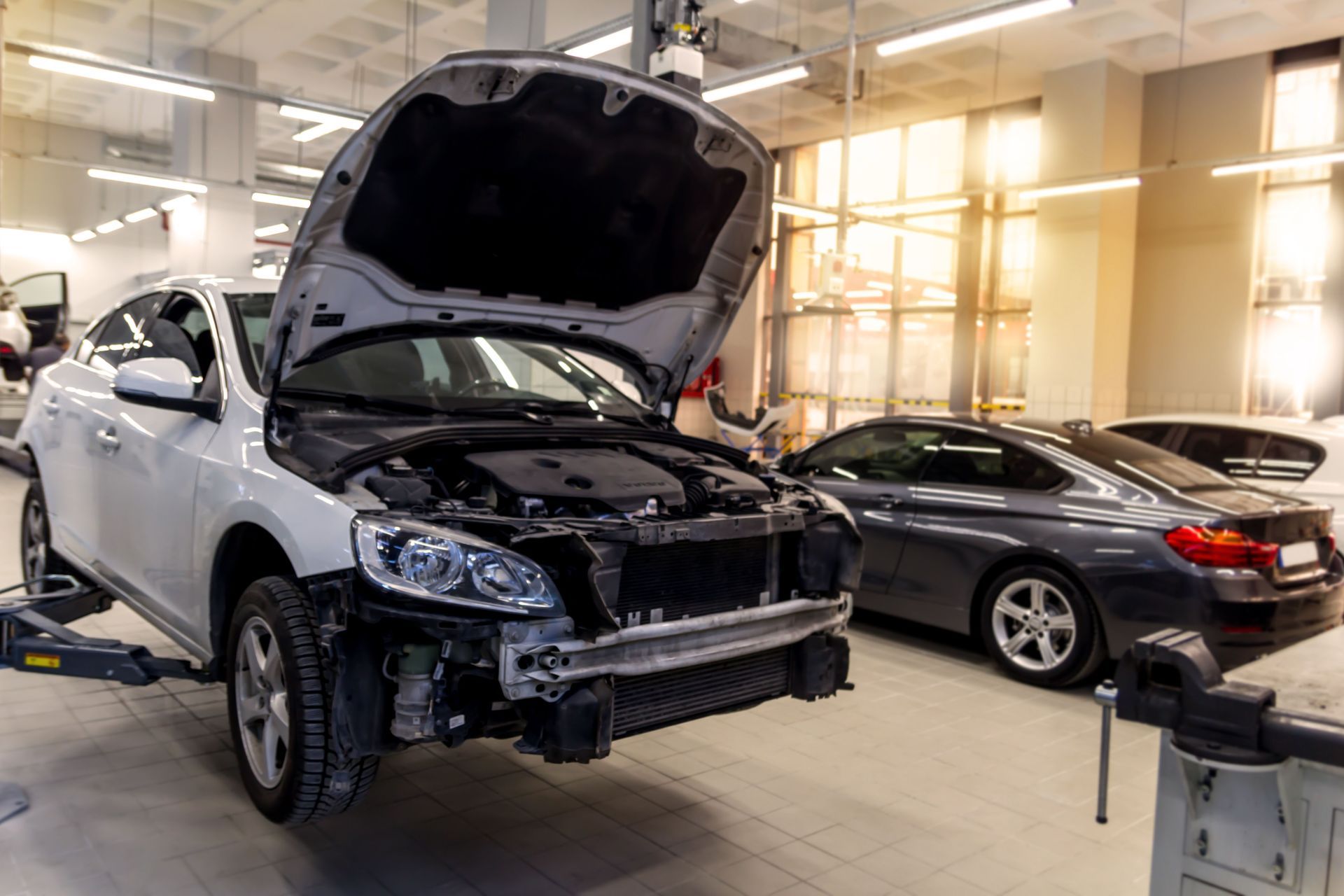
Replacement may be necessary when a bumper has extensive cracking, significant deformation, broken mounting points, or damage that compromises its ability to function properly. A professional technician can also determine whether hidden components were damaged during the collision. Replacing only the visible cover may not address problems with underlying components, sensors, brackets, or reinforcement structures.
Replacement parts must be properly matched to the vehicle’s make, model, and year. Depending on the repair and insurance requirements, an owner may encounter OEM and aftermarket replacement options. Fit, material quality, compatibility, and cost are all factors that may be considered during the repair process. An experienced auto body shop can explain the available options and identify which components need to be replaced to return the vehicle to an appropriate condition.
Aligning the Bumper Properly
Correct bumper alignment affects both appearance and function. A bumper that sits unevenly or has excessive gaps may indicate damaged mounting hardware or an improperly completed repair. Proper alignment also helps ensure that adjacent body panels fit correctly. Technicians may need to inspect brackets, fasteners, reinforcement components, and other parts before completing the installation. Alignment is particularly important when bumper-mounted sensors or other vehicle systems are involved. Depending on the vehicle, collision repairs may require additional procedures to verify that those systems are positioned and operating correctly.
Considering Insurance After a Collision
Insurance coverage for bumper damage depends on the circumstances of the incident and the terms of the vehicle owner’s policy. Collision coverage may apply to damage caused by an accident, while other types of coverage can apply in different circumstances.
After a collision, drivers should document the damage and communicate with their insurance provider as required. Photographs, accident information, and repair estimates can help establish the extent of the damage. A repair facility may also work with insurance companies during the estimating and repair process. Vehicle owners should review their policy and understand their deductible and coverage before authorizing repairs.
Choosing a Collision Repair Facility
Choosing the right repair facility is an important step after bumper damage. Drivers can look for a shop with experience handling collision repairs, knowledgeable technicians, appropriate equipment, and a clear repair process.
Communication is also important. A reputable facility should explain what damage was found, which repairs are necessary, and whether replacement is recommended. If hidden damage is discovered after disassembly, the shop should communicate those findings before additional work is performed. A professional auto body shop should focus on restoring the vehicle properly rather than simply making visible damage disappear. That means considering both appearance and the condition of components behind the bumper.
Protecting Your Vehicle After a Collision
Bumper damage should not automatically be considered minor simply because the vehicle remains drivable. Some collision-related problems are hidden beneath the exterior and may not become apparent until later. Getting an inspection promptly allows technicians to identify potential issues and determine what repairs are appropriate. Addressing damage early can also help prevent additional deterioration and preserve the vehicle’s appearance and value. Drivers should also keep documentation related to the collision and repairs. Repair estimates from auto body shops, invoices, photographs, and insurance records can be useful for future reference, particularly if the vehicle is later sold or another claim involves the same area.
Finding Professional Help for Bumper Damage
Whether a bumper needs refinishing, structural repair, or complete replacement, professional evaluation can help ensure the repair addresses the actual extent of the collision damage. Attempting to overlook cracks, loose components, or alignment problems can leave a vehicle with unresolved issues. For drivers searching for an auto body shop after an accident, D&H Collision Center can provide professional collision repair services and help determine the appropriate approach for damaged bumpers and related vehicle components. Contact D&H Collision Center to schedule an inspection and discuss the repair needs of your vehicle. A professional assessment from an auto body shop can provide a clearer understanding of the damage and the work required to restore your vehicle.