November 20, 2026
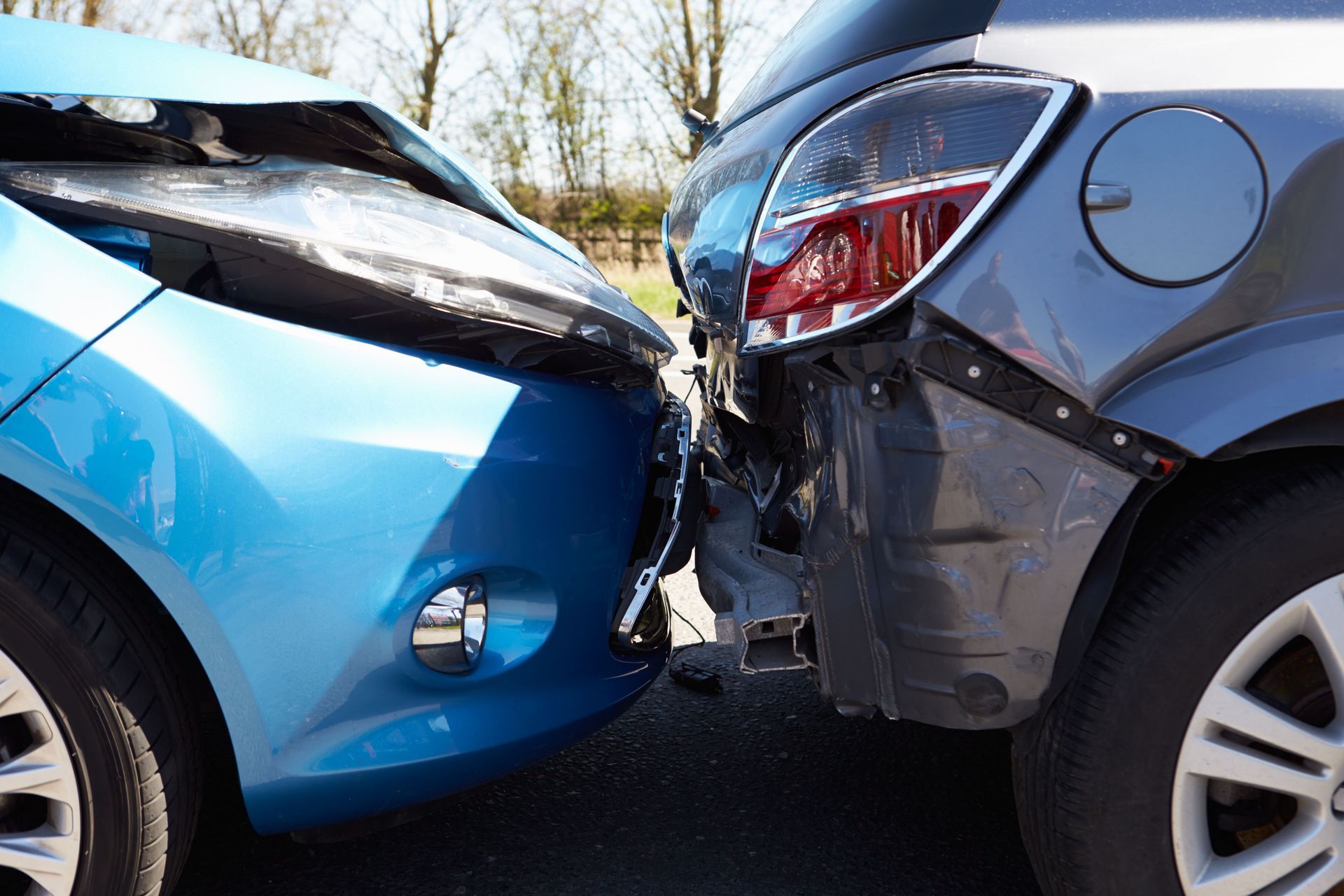
When an automobile crash occurs, the aftermath often centers on obvious exterior damage like crumpled fenders, shattered headlights, or cracked bumpers. However, beneath the visible bodywork lies a complex network of mechanical components that endure tremendous stress during an impact. The vehicle's suspension system is particularly vulnerable to structural damage, even in what seems like a minor collision. According to Driver Knowledge, the average number of car accidents in the U.S. every year is six million. With millions of drivers facing post-crash assessments annually, overlooking hidden undercarriage damage can quickly jeopardize passenger safety. Seeking comprehensive collision repair ensures that all critical subsystems are restored to factory standards before your vehicle returns to the road.
Listening for Clunking, Rattling, and Unusual Noises
One of the earliest warnings of compromised suspension components is the emergence of strange auditory cues. Following an impact, damaged strut assemblies, loose sway bar links, or worn shock absorbers frequently produce loud clunking or knocking sounds over potholes and uneven pavement. Severe mechanical jarring can also loosen chassis fasteners, resulting in continuous metallic rattling sounds at moderate speeds. If internal bearings lack lubrication or have shifted, drivers might also detect harsh grinding or squealing while steering. Ignoring these persistent noises elevates the probability of component breakage, impairing vehicle handling. Addressing acoustic anomalies through timely collision repair safeguards against cascaded damage across the entire chassis.
Inspecting Uneven and Premature Tire Wear
A properly balanced suspension system distributes vehicle weight evenly across all four tires, maintaining consistent road contact. Following a collision, distorted control arms, damaged ball joints, or bent tie rods can subtly skew wheel geometry. When tire alignment deviates from factory specifications, the rubber begins to wear unevenly and rapidly. Drivers may discover inner edge baldness, pointing to negative camber problems, or cupping and feathering along the tread. In severe impacts, internal tire belts can stretch or rupture, creating hazardous sidewall bulges susceptible to blowouts. Regularly monitoring tread depth and wear patterns after an accident helps catch structural frame issues before costly tires are ruined.
Experiencing Steering Drift and Vehicle Pulling
Maintaining a straight driving path should never require constant muscle strain or steering corrections. When a vehicle aggressively pulls or drifts toward one side of the road, an impact has likely knocked key suspension or steering geometry out of alignment. Bent steering knuckles, compromised tie rods, or displaced subframes cause asymmetric resistance across the axle, forcing the vehicle to veer from a centered line. Traveling with a pronounced pull induces driver fatigue and substantially raises the risk of accidental lane departures. Professional collision repair is necessary to accurately measure wheel angles and realign suspension linkages, restoring effortless tracking and responsive maneuverability.
Dealing with Excessive Body Roll During Turns
Modern automobiles rely on sway bars, springs, and hydraulic struts to counteract centrifugal force and keep the cabin level during cornering. If a collision damages these stabilizing mechanisms, the car will exhibit excessive body roll, leaning dramatically outward whenever making a turn. This pronounced tilting sensation destabilizes the vehicle by shifting its center of gravity away from the turning radius, drastically reducing tire grip on inside wheels. At highway speeds, excessive sway can trigger electronic stability systems or even induce a dangerous skid. Rebuilding or replacing compromised anti-roll bars and worn struts prevents unstable tilting and preserves poised cornering dynamics.
Suffering from a Harsh, Bouncy, or Jarring Ride
A functioning suspension system absorbs road imperfections, keeping the ride smooth and comfortable for passengers. When shock absorbers, struts, or coil springs are damaged in a crash, their dampening capabilities diminish significantly. Without sufficient resistance against vertical kinetic energy, the car may continue to bounce repeatedly after traversing a simple road dip. Conversely, a seized shock absorber or broken coil spring transmits the full force of every bump directly into the cabin, producing a jarring ride. If your vehicle feels uncharacteristically floaty or stiff after a wreck, the dampening hardware requires thorough collision repair evaluation to restore road comfort.
Spotting Bent Suspension Parts and Physical Damage
While many suspension issues manifest as driving changes, physical damage can often be identified through direct visual inspection. Collisions routinely bend heavy metal components critical for wheel positioning, including lower control arms, steering tie rods, and subframe crossmembers. Even a microscopic bend in a control arm can alter steering axis inclination and induce handling instability. Furthermore, protective rubber boots around ball joints can tear on impact, allowing grit to contaminate moving parts. If an undercarriage inspection exposes twisted stamped steel or cracked aluminum castings, high-grade collision repair is essential to replace these stressed parts with certified components.
Checking for Fluid Leaks Around Shocks and Struts
Hydraulic shock absorbers and struts rely on pressurized fluid sealed within internal chambers to regulate spring movement. The abrupt kinetic force of a car crash can fracture internal valve seals or bend piston rods, allowing vital hydraulic oil to escape along the shock body. To detect this issue, inspect the exterior casing of each shock absorber; a component covered in fresh, greasy, or dirt-caked oil is actively leaking and nearing failure. A dry shock or strut loses dampening resistance entirely, causing uninhibited spring bouncing and reduced braking effectiveness. Replacing compromised hydraulic units promptly prevents secondary damage to surrounding suspension bushings.
Correcting Misalignment and Off-Center Steering Wheels
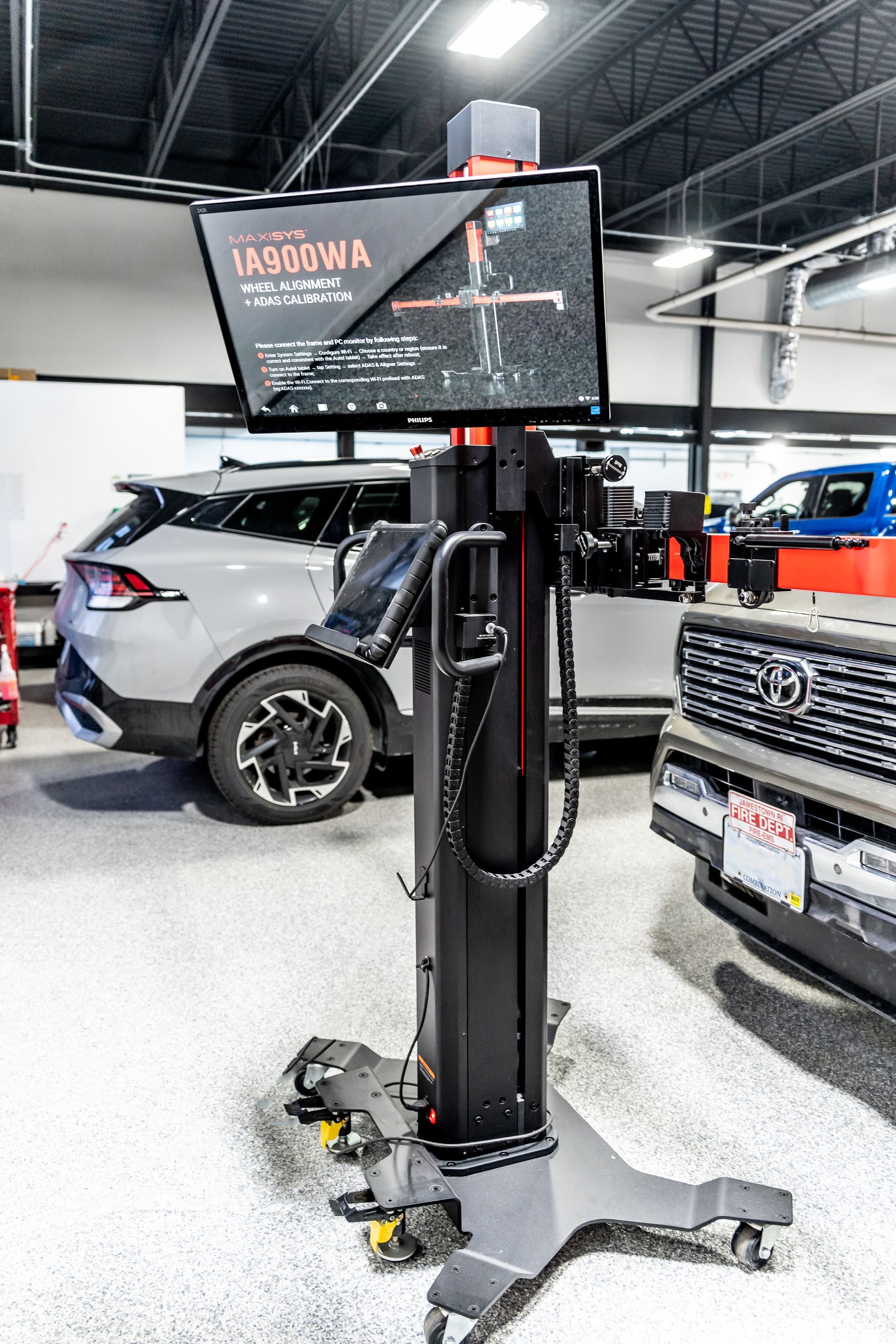
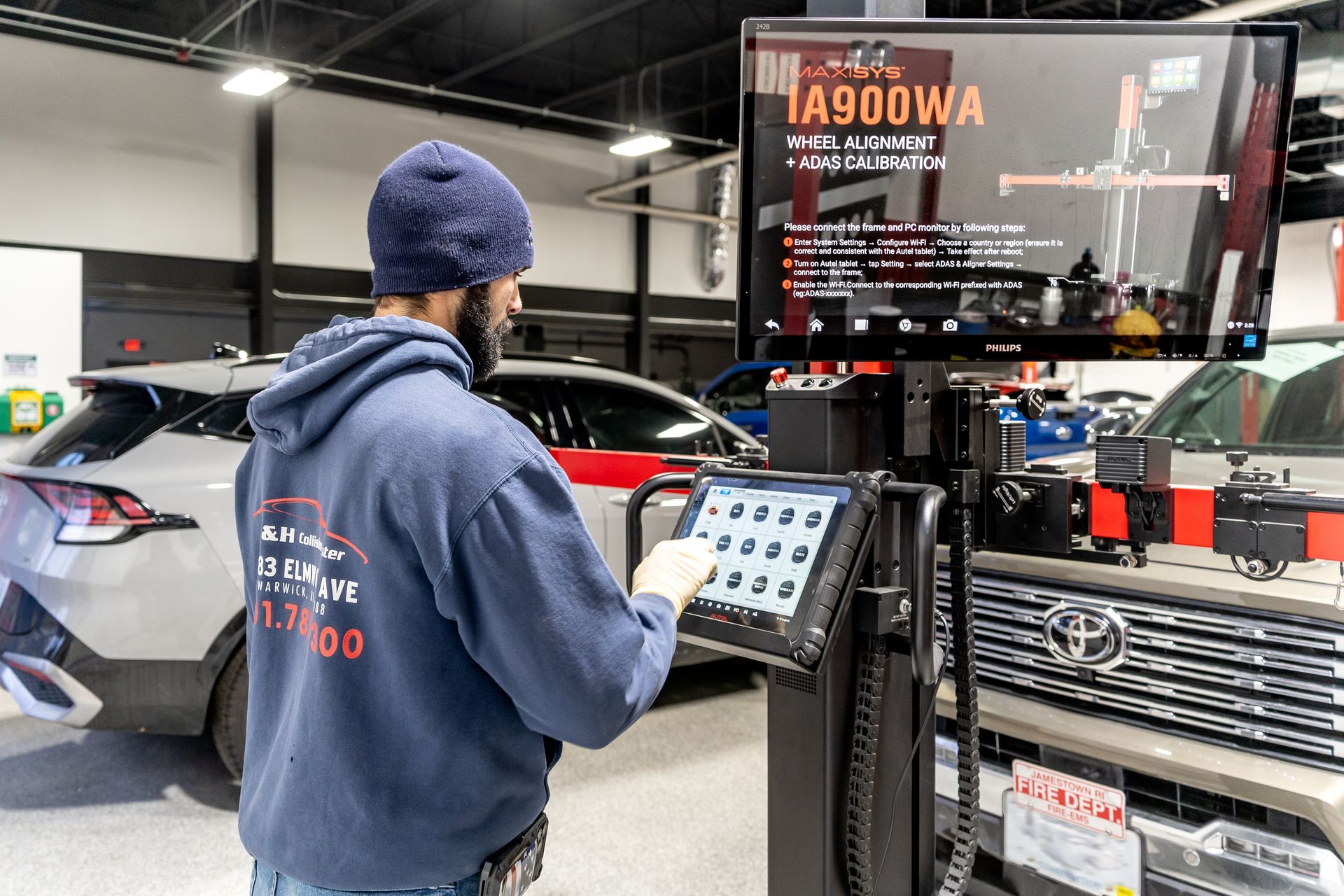
When driving down a straight highway, your vehicle's steering wheel should remain perfectly centered and horizontal. If you must hold the wheel at an angle to maintain a straight trajectory, your vehicle is suffering from acute post-accident misalignment. This off-center orientation occurs when collision forces alter the toe, caster, or camber settings of the wheels. Left uncorrected, steering misalignment places excessive shear stress on the steering rack and triggers vibrations in the steering column. Expert technicians utilize computerized alignment racks during collision repair to adjust tie-rod sleeves and subframe mounts back to precise tolerances, restoring straight-line symmetry.
Evaluating Braking Performance and Fuel Economy Loss
Few motorists realize how deeply suspension health influences overall vehicle efficiency and braking dynamics. When shock absorbers or suspension arms are bent or worn, the front end can dive excessively during aggressive stops, unloading weight from rear tires and noticeably lengthening stopping distances. In addition to creating brake instability, misaligned suspension components force tires to scrub sideways across the road rather than rolling freely. This continuous rolling resistance creates significant tire drag, requiring the engine to work harder and burn noticeably more fuel over time. Restoring factory suspension alignment eliminates rolling drag and restores dependable braking.
Partnering with Certified Collision Specialists for Safety
Modern automotive suspensions are engineered as sophisticated systems that require high-precision tools and diagnostic equipment to assess accurately after an accident. Attempting to overlook minor squeaks, slight steering pulls, or faint vibrations can allow subtle suspension faults to escalate into dangerous on-road failures. By scheduling a comprehensive assessment with certified technicians, you ensure that hidden frame stresses, distorted knuckles, and fatigued fasteners are diagnosed and corrected promptly. Choosing a dedicated collision repair facility provides the peace of mind that comes with certified replacement parts, computerized laser alignments, and rigorous safety testing.
Navigating the road after an automobile crash requires absolute confidence in your vehicle's structural integrity, handling response, and mechanical safety. If your car exhibits uneven tire wear, clunking sounds, steering drift, or abnormal cabin bouncing, do not delay vital suspension maintenance. For dependable, meticulous automotive restoration and expert collision repair, trust the experienced professionals at D&H Collision Center to get your vehicle back in peak condition.