March 12, 2026
The journey from collision to a fully repaired vehicle can seem daunting. This comprehensive guide breaks down the auto collision repair process, offering insights into each critical step involved in restoring your vehicle to its pre-accident condition. Understanding the complexity of collision repair can help alleviate anxiety and empower vehicle owners to make informed decisions. Following these steps diligently ensures that safety, quality, and efficiency are at the forefront of every repair. By delving deeper into this multifaceted process, car owners can better appreciate the significance of each phase and the dedication of the professionals involved. Professional auto collision services play a vital role in maintaining structural integrity and restoring vehicle performance after an accident.
Initial Assessment and Estimation Process
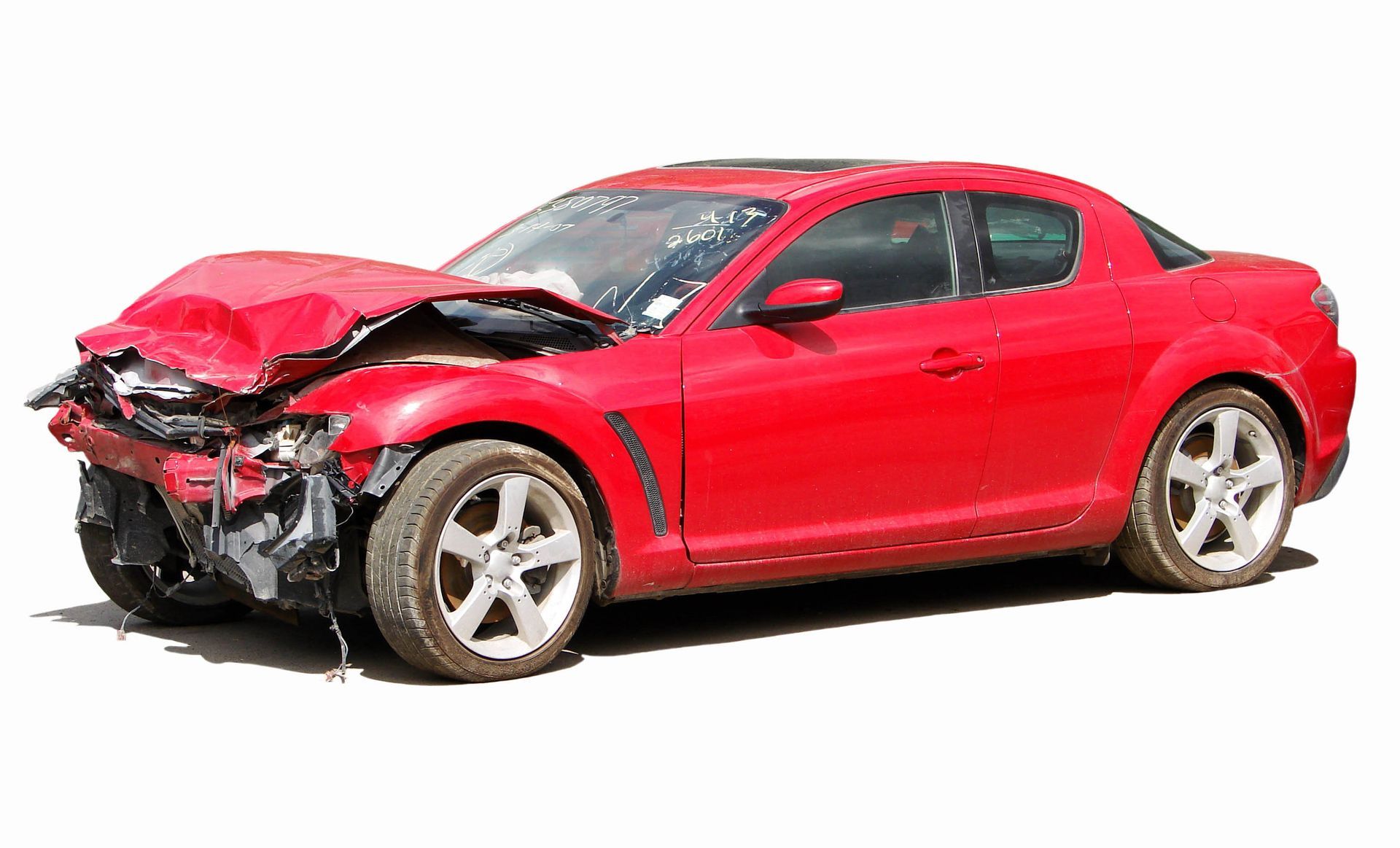
In the aftermath of a collision, the initial assessment and estimation process is crucial. Accident reporting and documentation begin immediately, capturing details of the incident while memories are fresh. An accurate visual inspection of the vehicle helps determine the obvious external damages. A thorough cost estimation process then provides an approximate financial outlook for the repairs needed. Communication with insurance companies is a vital component, as they must be informed and involved in the repair process. Many repair facilities offering auto collision services use advanced estimating software to provide transparent and accurate repair projections.
Documentation is essential for a seamless repair journey. From the scene of the accident, police reports, photos, and witness statements lay a foundation for future assessments. When presented to insurance agents, these records can streamline claim approvals and ensure policy adherence. It's critical to prepare for repair authorization by gathering these necessary documents early. This preparation facilitates a smoother transition to the following stages of repair and reduces potential disputes over coverage or repair scope.
Working with insurance companies can be a complex and meticulous process. Often, they request detailed damage assessments and repair estimates to guarantee that the claims align with policy coverage. This step necessitates precise and comprehensive communication between the repair shop and the insurance adjusters. The goal is to get repair authorizations approved swiftly, avoiding unnecessary delays. Having comprehensive documentation and a tentative cost estimation aids in this crucial step while supporting efficient coordination between all involved parties.
Disassembly and Structural Repair Procedures
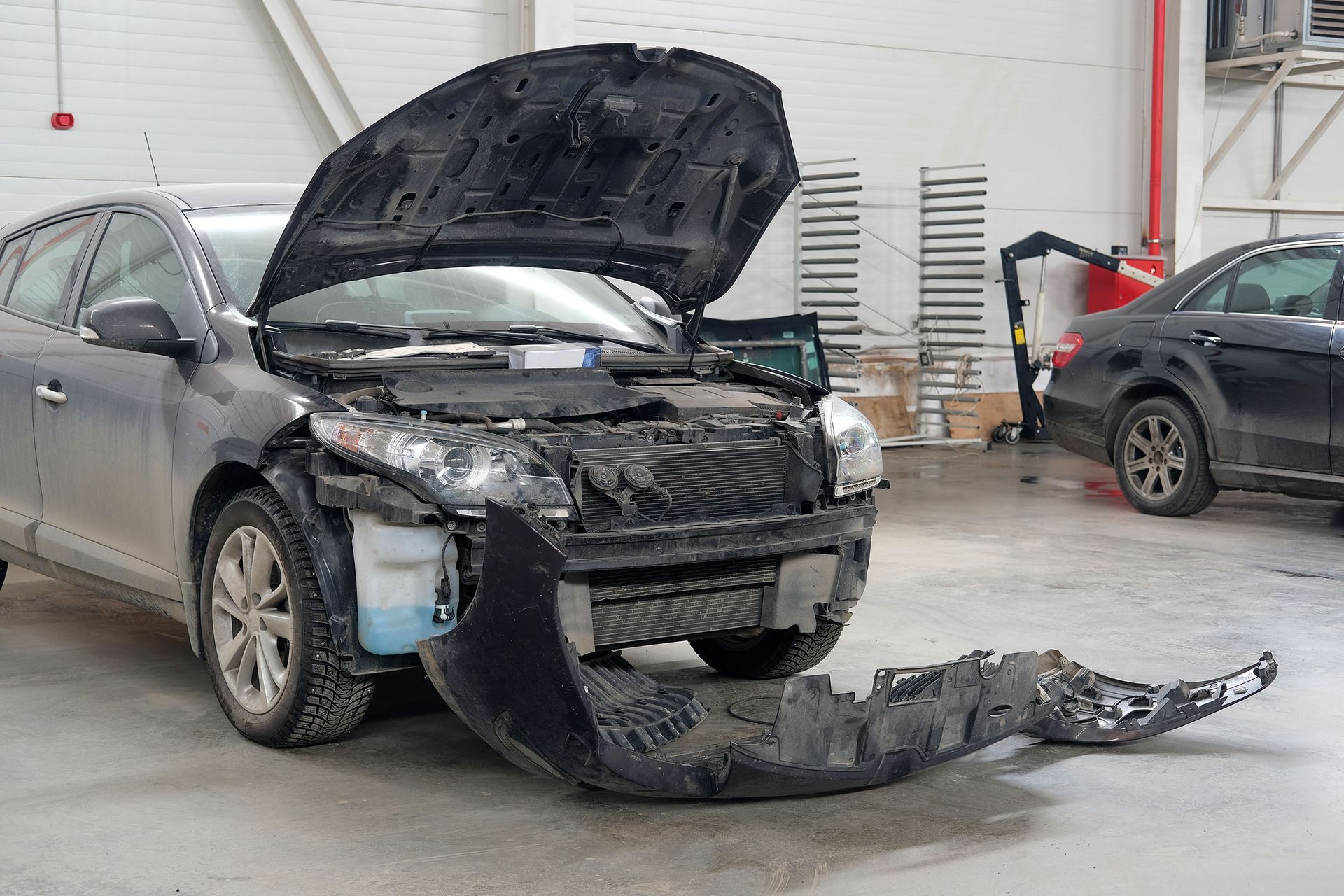
Once the initial estimation and authorization are complete, the vehicle undergoes disassembly and structural repair. Dismantling damaged parts allows mechanics to access hidden areas and evaluate underlying structural issues. During this phase, evaluating hidden damage becomes apparent, revealing previously unnoticed complications. It's paramount to decide between repairing or replacing parts, influencing the extent of structural repairs needed. Proper documentation and record-keeping throughout this stage ensure clarity and accountability while maintaining repair accuracy.
Frame alignment is one of the essential aspects of structural repair. Ensuring the frame is properly aligned is critical for the vehicle's safety and functionality. Specialized machinery helps adjust and realign any warped or bent frames to their original positions. Decisions between replacement and repair are not made lightly; they depend on the extent of damage and cost-effectiveness. Each choice impacts the total repair time and overall vehicle safety post-repair, making precision essential in every adjustment.
Documentation remains a priority during disassembly and structural repair. By meticulously tracking each step, potential challenges are easily identified, and solutions can be implemented promptly. Additionally, this record-keeping aids insurance companies in validating claims and additional costs that may arise. Repair shops utilize advanced software to manage work orders and project updates in real time. Accurate documentation ensures every team member is aligned with the repair objectives and progress while supporting the efficiency of auto collision services.
Mechanical and Electrical System Restoration
Mechanical and electrical repairs follow structural repairs, focusing on the internal components of the vehicle. Inspecting mechanical components is crucial to identifying defects caused by the collision. Parts such as the engine, transmission, brakes, and suspension systems require meticulous analysis. Diagnosis of electrical systems ensures all electronic components are functioning correctly, from lighting to crucial safety features like airbags. This stage emphasizes repairing or replacing malfunctioning parts to restore the vehicle's operational integrity and reliability.
Modern vehicles incorporate advanced electronics and integrated systems, complicating the repair process. Professional technicians rely on diagnostic tools to identify and rectify electrical issues effectively. Safety standards and compliance checks are also integral at this juncture, ensuring the vehicle adheres to the necessary legal and manufacturer specifications. Repair shops invest in continuous training and up-to-date equipment to manage these complex systems. Integrating modern technology with repairs is not just about restoring functionality but also enhancing the vehicle's safety and long-term performance.
The final aspect of this stage involves all-encompassing checks to ensure that safety standards are upheld. According to Driver Knowledge, you are 23 times more likely to crash while texting while driving, highlighting the importance of ensuring reliable vehicle systems that alert drivers when necessary. Technicians conduct rigorous tests on all mechanical and electrical components following repairs. Ensuring every element functions optimally reduces the risk of post-repair failures and reinforces confidence in the completed work.
Body and Paint Refinishing Techniques
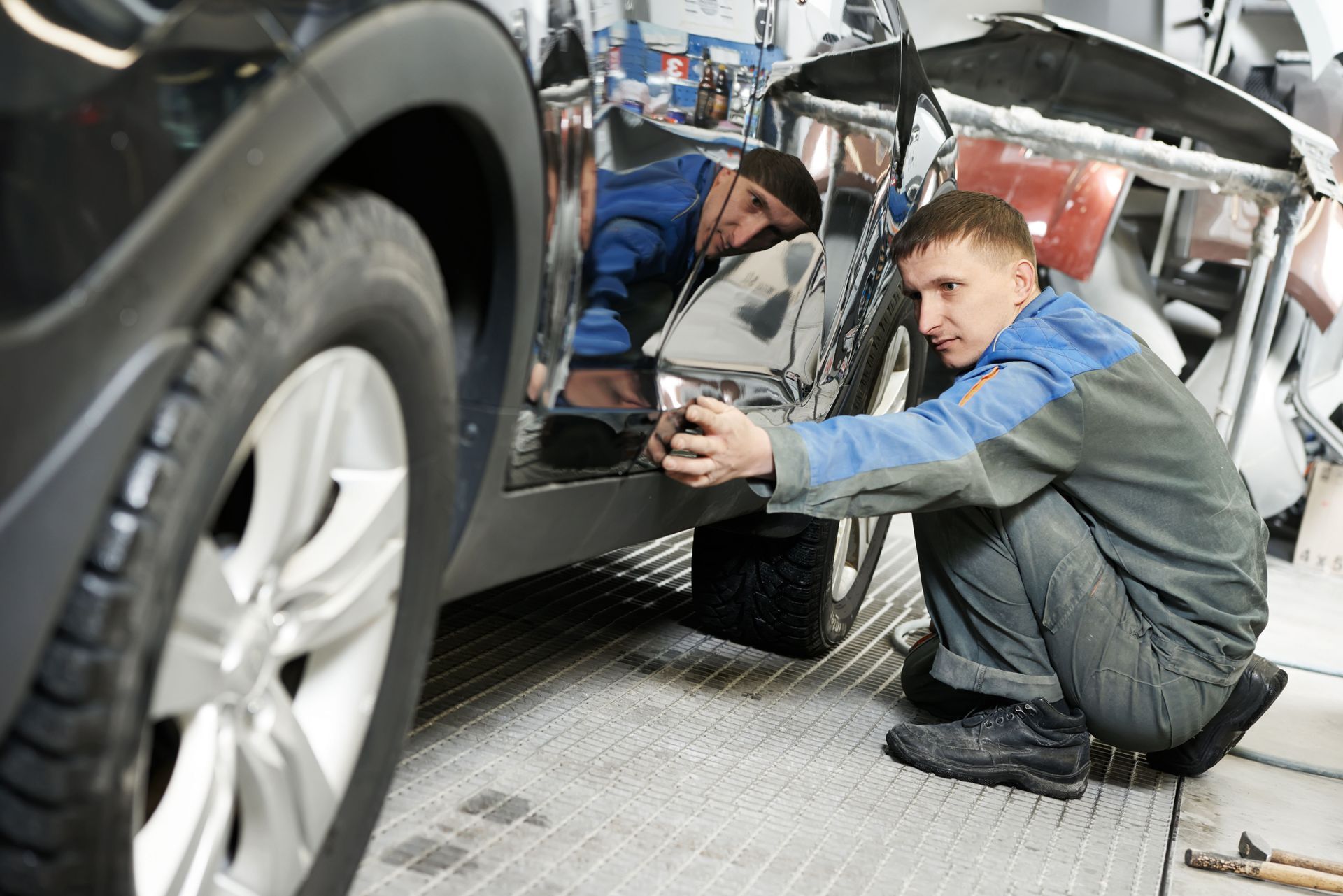
The next phase of the repair process involves body and paint work to recover the vehicle's aesthetic and protective features. Body repair techniques are utilized to remedy dents, scratches, and deformities. Advanced tools are often employed to refine and restore body panels to their original state. Surface preparation and priming ensure a smooth foundation for painting, eliminating imperfections. Maintaining meticulous attention to detail throughout this step ensures a seamless transition from repair to aesthetics and contributes to the vehicle’s long-term durability.
Paint matching and application are incredibly detailed processes. Auto repair specialists utilize sophisticated techniques to ensure color accuracy in line with factory standards. This precise matching extends beyond colors; it also involves harmonizing the finish and texture with the rest of the vehicle. Once the paint is applied, curing and polishing processes enhance its durability and shine. Both processes ensure that the paint job not only looks pristine but also offers long-term protection against environmental elements.
Quality checks are critical once body and paint work is completed. A final finish and quality check guarantee that repairs meet the high standards expected by customers and manufacturers. By conducting thorough inspections, repair shops confirm that the outcome is both visually stunning and functionally sound, free of imperfections that could compromise the vehicle's longevity. These procedures demonstrate the attention to detail that defines reliable auto collision services and reinforces customer satisfaction.
Vehicle Reassembly and Detail Work
Reassembly and detail work signify nearing the end of the repair process. Assembling repaired parts follows a carefully coordinated procedure, ensuring components fit perfectly. Technicians test fitment and functionality to validate that every piece works in harmony. Interior detailing focuses on reviving the vehicle's cabin, attending to cleanliness, odor neutralization, and minor upholstery repairs. Aesthetic and functional integrity is upheld, readying the vehicle for final approval and customer review.
Critical checks during this stage ensure the vehicle surpasses original standards. Final quality assurance checks form an integral part of reassembly, examining every element of the repair comprehensively. Skilled professionals scrutinize each aspect, verifying alignment, performance, and appearance. Vehicle sanitation and cleanliness are emphasized, as customers expect their car to feel as good as new. The satisfaction derived from such meticulous detailing enhances the overall repair experience and builds long-term trust.
From initial assessments to final inspections, every stage highlights the importance of documentation, communication, and technical expertise. Choosing experienced providers of auto collision services helps ensure proper restoration, improved safety performance, and long-term vehicle reliability. Embracing these principles enhances both the effectiveness of the repair process and the reputation of the service provider. Contact D&H Collision Center today and learn more about our auto collision services.