March 12, 2026
Vehicle damage can disrupt daily routines, create financial concerns, and introduce uncertainty about safety and long-term performance. Whether the damage stems from a minor fender-bender or a more serious crash, drivers are often left wondering what steps to take next. Scheduling collision repairs is not simply about restoring a vehicle’s appearance. It involves understanding the repair process, evaluating professional qualifications, reviewing insurance considerations, and ensuring the vehicle is safe to return to the road. By approaching the process with clear expectations and informed questions, drivers can make confident decisions that protect both their investment and their safety.
Understanding the Scope of Vehicle Damage
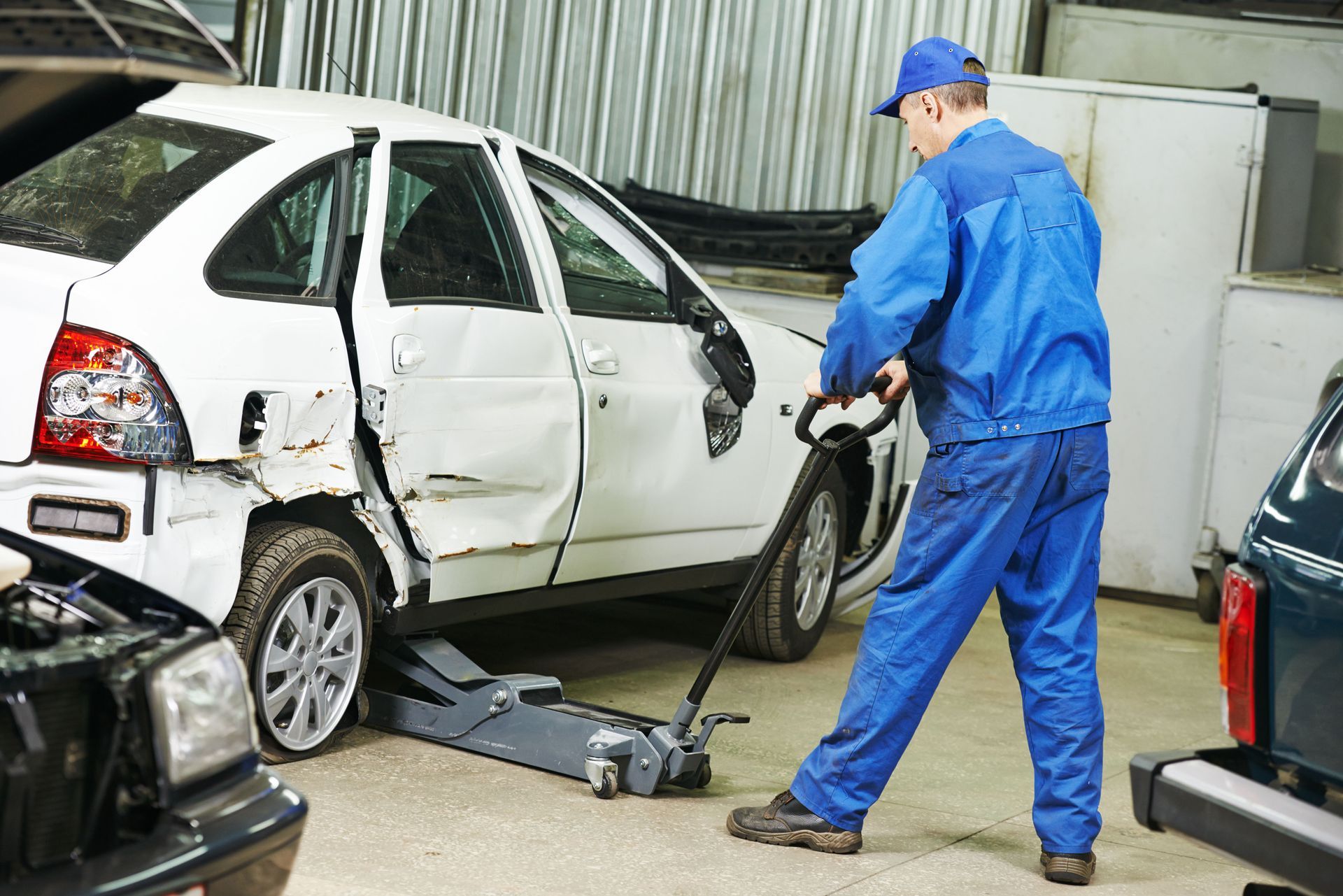
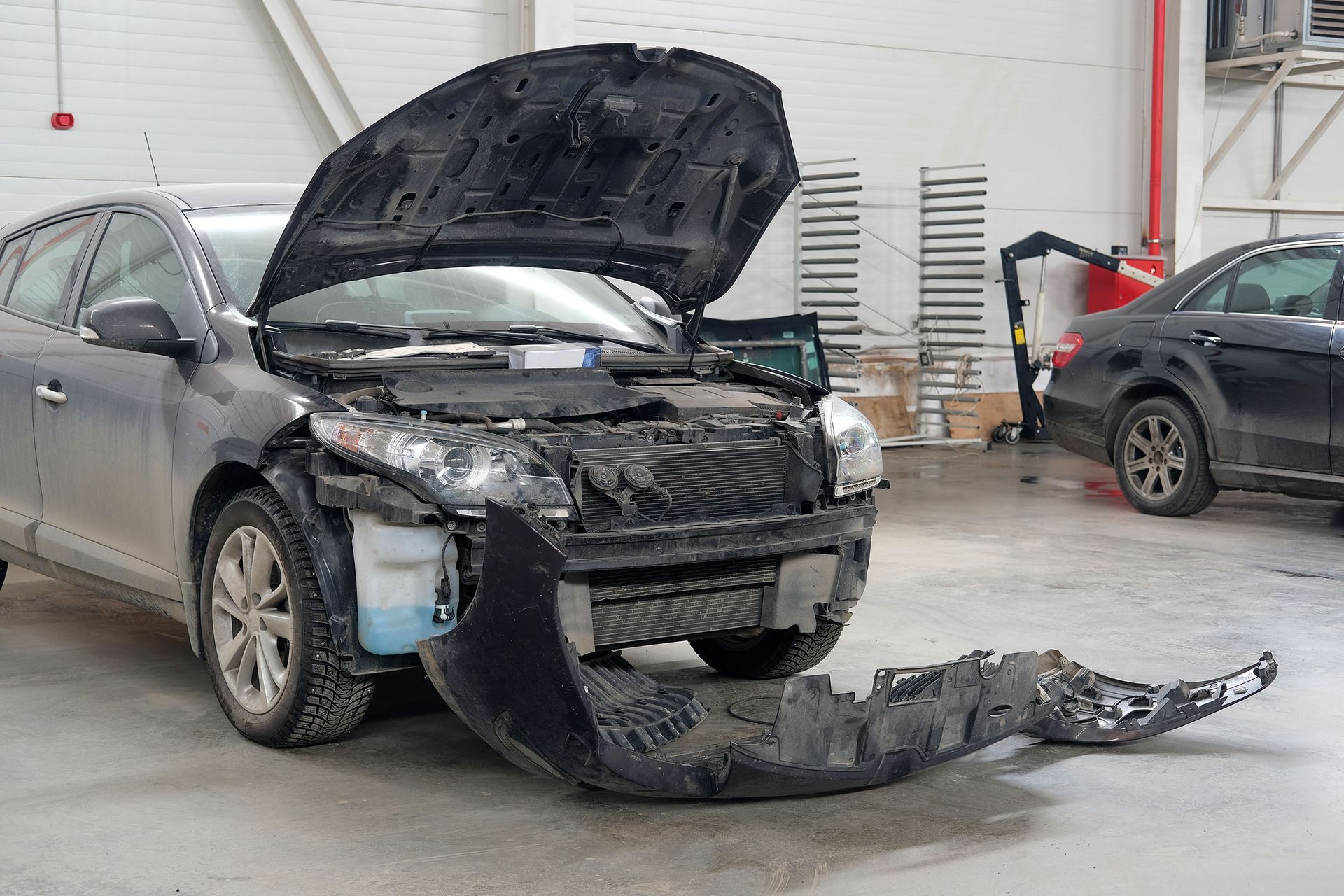
Before scheduling collision repairs, drivers should develop a basic understanding of the visible and hidden damage that can occur after an accident. Surface damage, such as dents, scratches, or cracked bumpers, is often the most noticeable. However, underlying structural or mechanical issues may not be immediately apparent. Modern vehicles are built with complex safety systems, including sensors, cameras, and advanced driver-assistance technologies that can be affected even in relatively minor incidents.
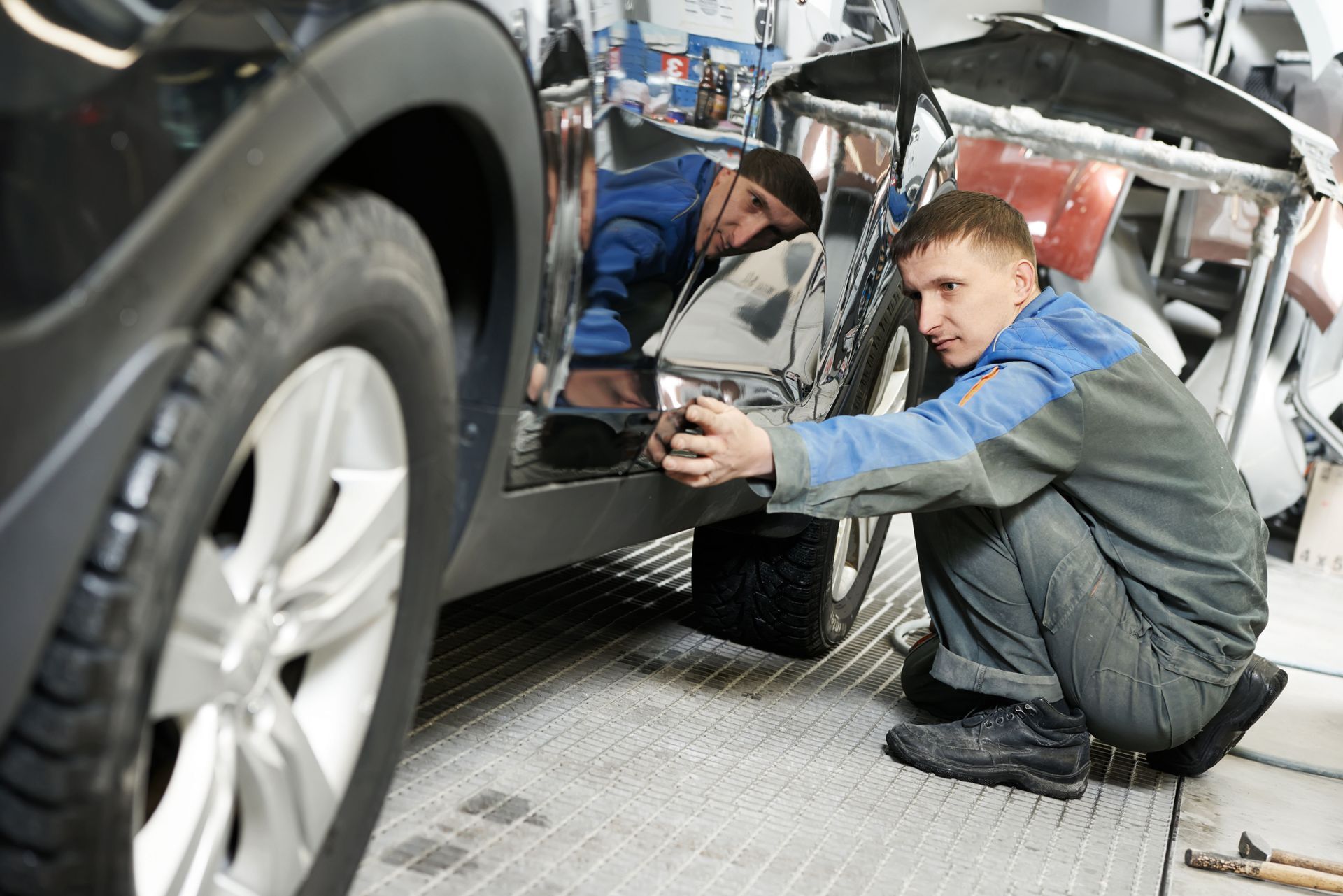
A thorough assessment is essential to determine whether the vehicle frame, suspension, steering components, or electronic systems have been compromised. Professional technicians typically conduct detailed inspections that go beyond what is visible to the untrained eye. This process may include computerized diagnostics and structural measurements to identify misalignments or hidden weaknesses.
Drivers should also understand that delaying collision repairs can lead to additional complications. Small cracks in panels or chipped paint may allow moisture to penetrate, potentially resulting in rust or corrosion. Misaligned components can affect tire wear, steering response, and braking performance. Addressing damage promptly helps preserve the vehicle’s integrity and prevents minor issues from escalating into more expensive problems.
Evaluating the Repair Facility’s Credentials
Selecting a reputable repair facility is one of the most important decisions drivers will make when arranging collision repairs. Not all shops operate with the same level of training, equipment, or commitment to industry standards. Drivers should look for technicians who have relevant certifications and ongoing training in modern repair techniques.
Many vehicles now feature lightweight materials such as aluminum and high-strength steel, which require specialized repair methods. Shops equipped with advanced tools and manufacturer-approved procedures are better prepared to restore vehicles according to safety specifications. In addition, facilities that invest in updated technology demonstrate a commitment to maintaining current industry knowledge.
Drivers may also consider customer reviews, warranty offerings, and transparency in communication. A reliable repair center should be willing to explain the scope of work, provide a detailed written estimate, and answer questions about parts, labor, and timelines. Clear communication fosters confidence and reduces misunderstandings throughout the process.
Insurance company relationships can also influence a driver’s experience. While insurers may recommend certain repair facilities, drivers generally have the right to choose where their vehicle is repaired. Understanding this right empowers drivers to select a shop that aligns with their expectations for quality and service rather than feeling limited to a predetermined list.
Reviewing Insurance Coverage and Claims Procedures
Insurance considerations play a central role in collision repairs. Before scheduling service, drivers should review their policy to understand deductibles, coverage limits, and claim requirements. Comprehensive and collision coverage typically address accident-related damage, but the specifics vary depending on the policy.
The claims process usually begins with reporting the accident to the insurance provider. An adjuster may inspect the vehicle or review photographs to determine the extent of coverage. Drivers should maintain thorough documentation, including photographs of the damage, police reports if applicable, and records of communication with the insurer.
Understanding timelines is also important. Some insurance policies have reporting deadlines, and delays can complicate claims. Drivers should ask whether the repair facility works directly with the insurer to streamline communication and billing. Coordination between the repair shop and insurance company can reduce administrative burdens and help ensure that approved repairs proceed efficiently.
It is equally important to clarify whether original equipment manufacturer parts, aftermarket parts, or refurbished components will be used. Policy terms often influence these decisions. Asking informed questions allows drivers to better understand how their vehicle will be restored and whether additional out-of-pocket expenses may apply.
Recognizing the Importance of Accurate Estimates
Obtaining a detailed estimate is a critical step before authorizing collision repairs. A comprehensive estimate should itemize labor costs, parts, materials, paint work, and any additional procedures required. Drivers should review this document carefully and request clarification on any unfamiliar terms.
Initial estimates may sometimes change after technicians begin disassembly. Hidden damage is common, particularly in areas beneath exterior panels. When additional issues are discovered, reputable repair facilities typically communicate updates and seek approval before proceeding with supplemental work.
According to Driver Knowledge, there are an average of six million car accidents in the U.S. each year. This volume underscores the importance of standardized repair processes and accurate documentation. With so many vehicles requiring attention annually, repair facilities must follow systematic inspection and estimation procedures to maintain consistency and safety standards.
Drivers should avoid making decisions based solely on the lowest estimate. While cost is an understandable concern, unusually low quotes may indicate shortcuts, lower-quality parts, or incomplete assessments. Comparing estimates, understanding what is included, and prioritizing safety-focused repairs contribute to better long-term outcomes.
Considering Repair Timelines and Transportation Needs
Time without a vehicle can disrupt work schedules, family responsibilities, and daily obligations. Before scheduling collision repairs, drivers should ask about projected timelines and potential delays. Repair duration depends on factors such as the severity of damage, parts availability, and insurance approval processes.
Supply chain fluctuations can influence the availability of specific components, especially for newer or less common vehicle models. Clear communication about expected completion dates helps drivers plan accordingly. Some repair facilities offer assistance in arranging rental vehicles or coordinating with insurance providers for temporary transportation coverage.
Drivers should also inquire about the steps involved in the repair process. Structural repairs, refinishing, curing times for paint, and recalibration of electronic systems all require precision and patience. Rushing these stages may compromise quality. Understanding that proper collision repairs involve multiple carefully managed phases can help drivers set realistic expectations.
Ensuring Safety and Quality After Repairs
Once repairs are complete, drivers should not hesitate to review the vehicle carefully before accepting it. A final inspection may include checking paint consistency, panel alignment, and the proper functioning of lights, sensors, and safety systems. Test-driving the vehicle, when appropriate, can confirm that steering, braking, and overall handling feel normal.
Reputable repair facilities often perform quality control checks before returning a vehicle to its owner. This may involve verifying torque specifications, recalibrating advanced driver-assistance systems, and confirming that all replaced components meet safety standards. Drivers should request documentation of completed work and any warranties provided on parts or labor.
Collision repairs should restore not only the vehicle’s appearance but also its structural integrity and safety features. Modern vehicles are designed with crumple zones and engineered safety systems that protect occupants during impact. Ensuring these systems are properly repaired and recalibrated is essential for long-term protection.
Informed drivers recognize that careful planning, clear communication, and attention to detail contribute to successful outcomes. From assessing damage and reviewing insurance coverage to evaluating estimates and confirming post-repair safety, each step plays a meaningful role in the overall experience. Taking time to understand the process empowers drivers to navigate repairs with confidence and clarity. Call D&H Collision Center today to schedule your collision repair or auto body service.