June 12, 2026
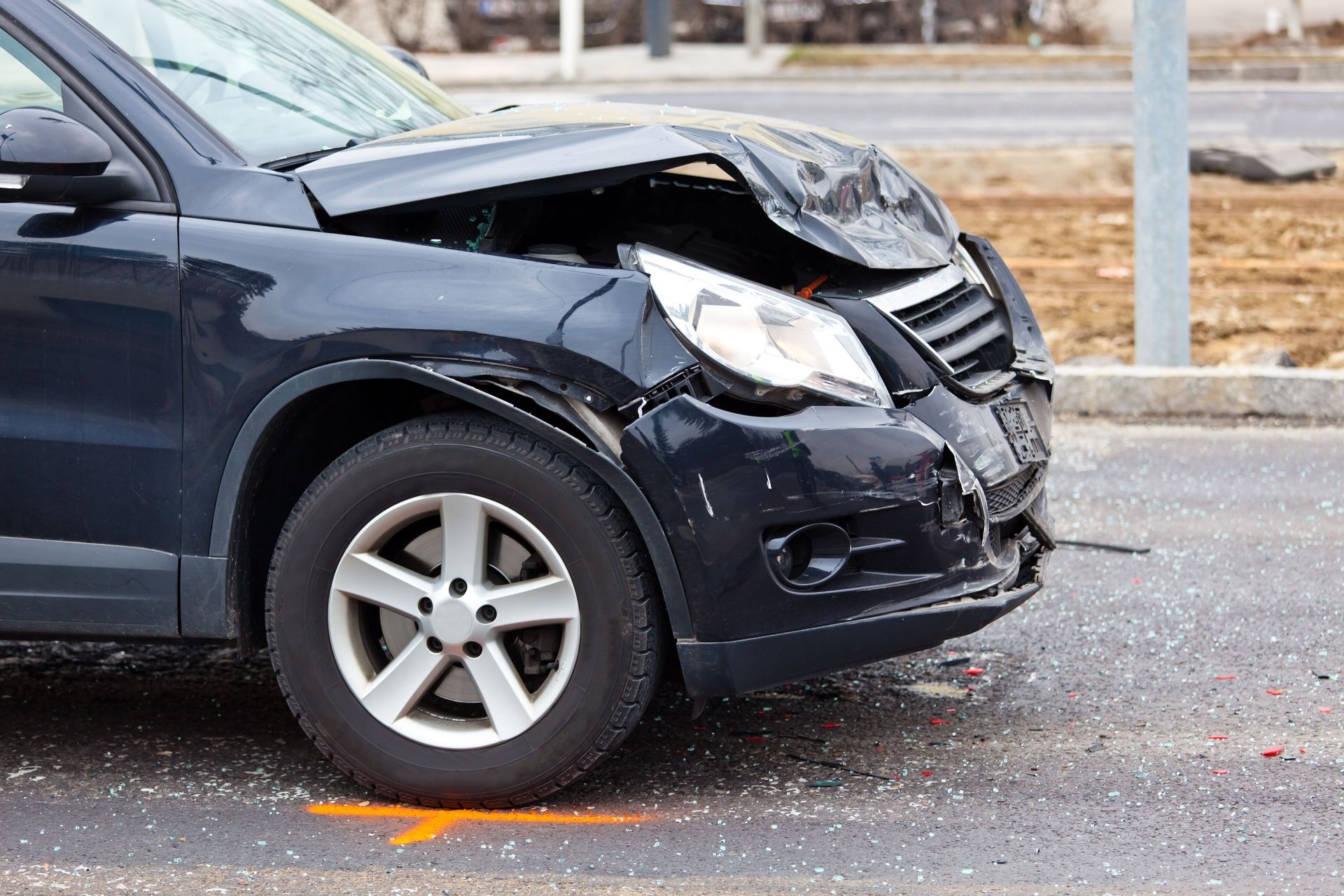
Safe driving depends not only on driver behavior but also on proper restoration after a collision. Even minor impacts can affect hidden systems tied to safety, performance, and stability, making collision repairs essential for long-term reliability. Many vehicles may look fine after a crash, but modern systems can still be disrupted, leading to hidden risks over time. Proper repairs ensure these issues are corrected early so the vehicle remains safe and dependable.
Restoring Structural Integrity After a Collision
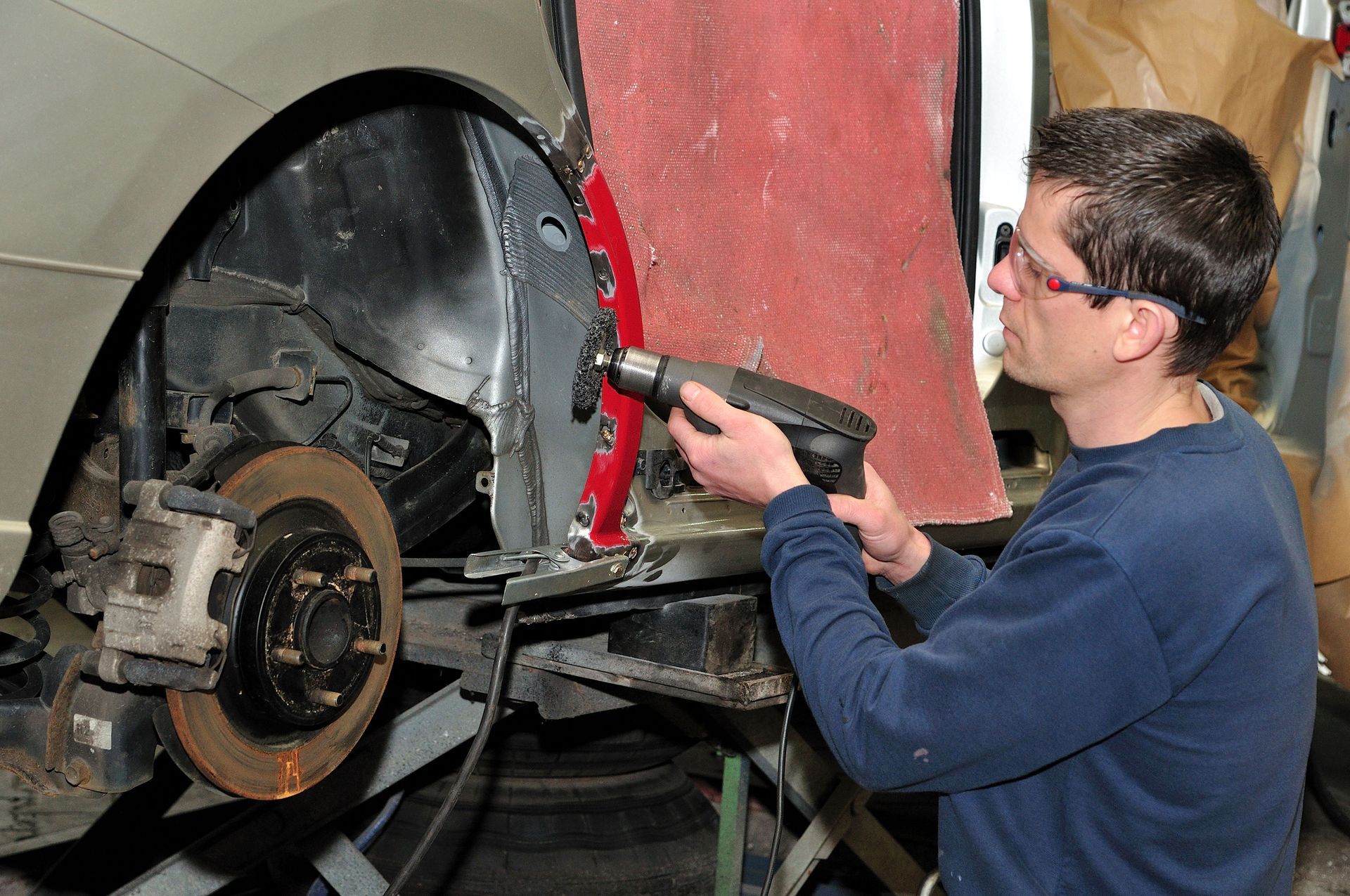
Vehicle structure is the foundation of crash protection and overall driving stability. When a collision occurs, even minor shifts in the frame can affect how the vehicle handles force and movement. Collision repairs focus on returning this structure to precise manufacturer specifications. This process helps ensure the vehicle behaves as intended during both normal driving and unexpected impacts.
Structural damage is not always visible, which is why professional inspection is necessary after any accident. A slightly misaligned frame can lead to uneven tire wear, steering problems, and reduced handling control. These issues may develop gradually, making them easy to overlook until they become serious. Technicians use specialized measurement systems to detect and correct even small deviations.
Restoring structural integrity also ensures that safety features like crumple zones function correctly. These zones are designed to absorb impact energy and reduce injury risk. If the frame is not properly aligned, these systems may not perform as intended in a future collision. Effective repairs at this stage help preserve the original safety engineering of the vehicle.
Repairing Mechanical Systems for Safe Driving
Mechanical systems are often affected during a collision, even when the damage is not obvious from the outside. Suspension, steering, and braking components are especially vulnerable because they absorb a large portion of impact force. Collision repairs in this area focus on restoring control, stability, and predictable handling.
Suspension damage can cause the vehicle to feel unbalanced or pull to one side. Steering components may also shift slightly, affecting how accurately the vehicle responds to driver input. These issues can make driving less stable and increase the risk of accidents if not corrected. Proper inspection ensures all components are realigned and functioning properly.
Brake systems are another critical focus after a collision. Even small damage to brake lines or components can reduce stopping efficiency. Technicians carefully test the system to ensure full braking performance is restored. Reliable mechanical function is essential for maintaining safe driving conditions in all environments.
Rebuilding Electronic Safety Systems and Features
Modern vehicles rely heavily on electronic systems that support safety and performance. These include traction control, stability assistance, engine management, and other automated functions. After a collision, these systems may be disrupted even if there is no visible physical damage. Collision repairs include advanced diagnostics to identify hidden electronic issues.
Specialized tools are used to scan vehicle systems for error codes and malfunctions. Technicians then repair or replace affected components to restore proper function. This ensures the vehicle operates safely and efficiently under normal conditions. Without proper electronic restoration, critical safety systems may fail when they are needed most.
Airbag systems and crash sensors also require careful attention after impact. Even if airbags do not deploy, sensors may still be affected. These systems are inspected and recalibrated to ensure they respond correctly in future emergencies. This step is essential for protecting passengers in high-risk situations.
Advanced driver-assistance systems must also be recalibrated after a collision. Features such as lane guidance and adaptive cruise control depend on precise sensor alignment. Collision repairs ensure these systems function accurately and consistently. Proper calibration helps maintain modern safety standards and driving confidence.
Refining Cosmetic Damage and Exterior Appearance
Exterior damage is often the most visible result of a collision, but it also plays a role in vehicle performance. Dents, scratches, and misaligned panels can affect airflow, structural fit, and long-term durability. Collision repairs in this stage focus on restoring both appearance and functional alignment.
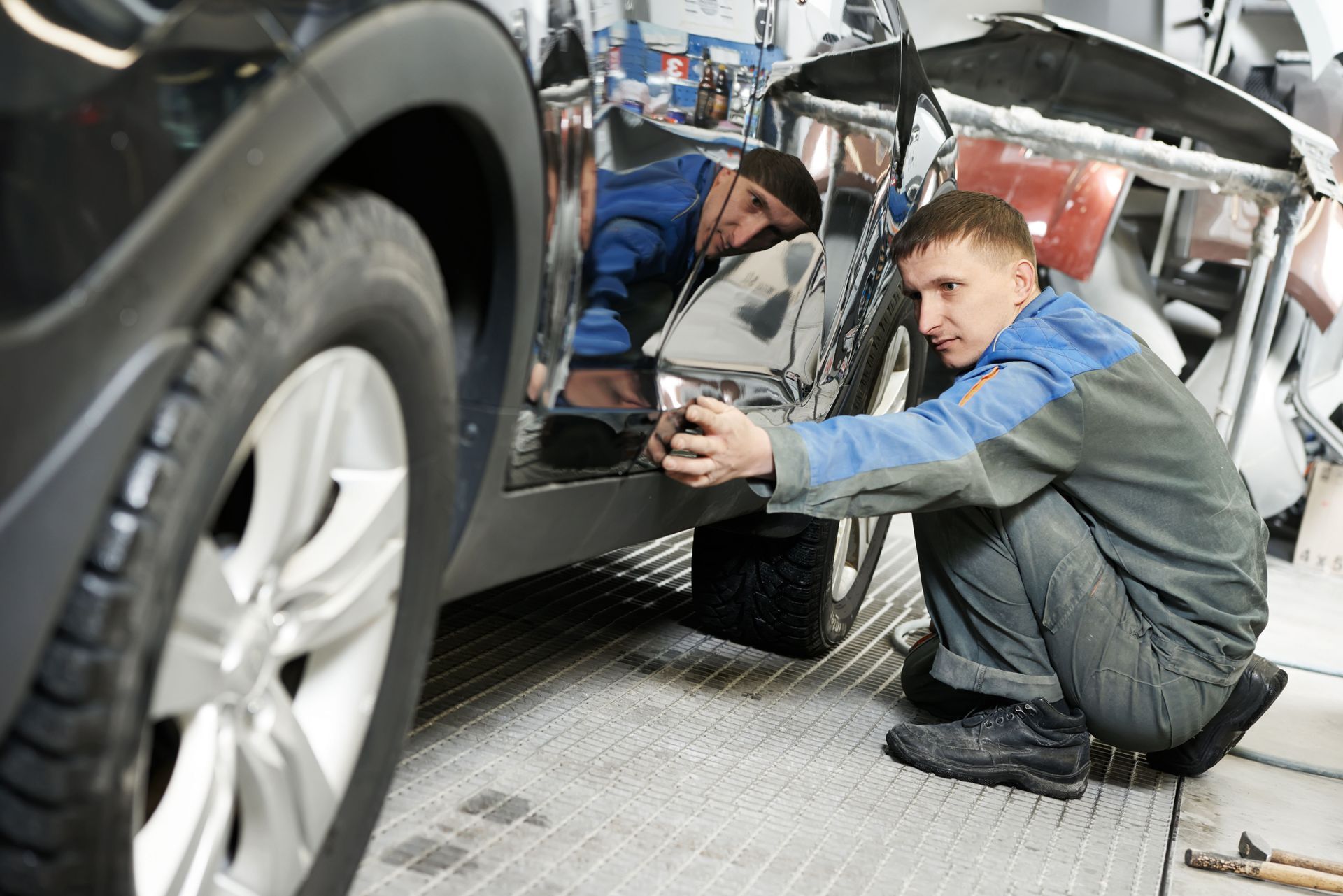
Paint and bodywork require precision to ensure a seamless finish. Technicians match colors carefully to restore the vehicle’s original look. This process also helps protect the surface from rust, corrosion, and environmental damage. A properly finished exterior supports both aesthetics and durability.
Glass and mirror repairs are also an important part of cosmetic restoration. Clear visibility is essential for safe driving in all conditions. Any cracks or distortions can reduce the driver’s ability to see clearly. Restoring these components ensures safe visibility and proper vehicle function.
Recalibrating Driver Assistance Systems After Impact
Driver assistance systems play a major role in modern vehicle safety. These systems rely on cameras, sensors, and radar to help drivers avoid collisions and maintain control. After an impact, even small shifts in alignment can affect their accuracy. Collision repairs include recalibration to restore proper system performance.
Technicians use advanced tools to ensure sensors and cameras are correctly positioned. This allows systems to detect road conditions and obstacles accurately. If calibration is off, safety alerts and automated responses may not function correctly. Proper adjustment ensures these technologies remain reliable and effective.
When these systems are fully restored, they provide added support during everyday driving. They help reduce human error and improve reaction time in unexpected situations. Maintaining accurate calibration ensures drivers benefit fully from modern safety features.
Managing Repair Facilities and Technician Standards
The quality of repair work depends heavily on technician skill and facility standards. Collision repairs require technical expertise, precision tools, and adherence to manufacturer guidelines. Proper training ensures technicians can identify and correct both visible and hidden damage effectively.
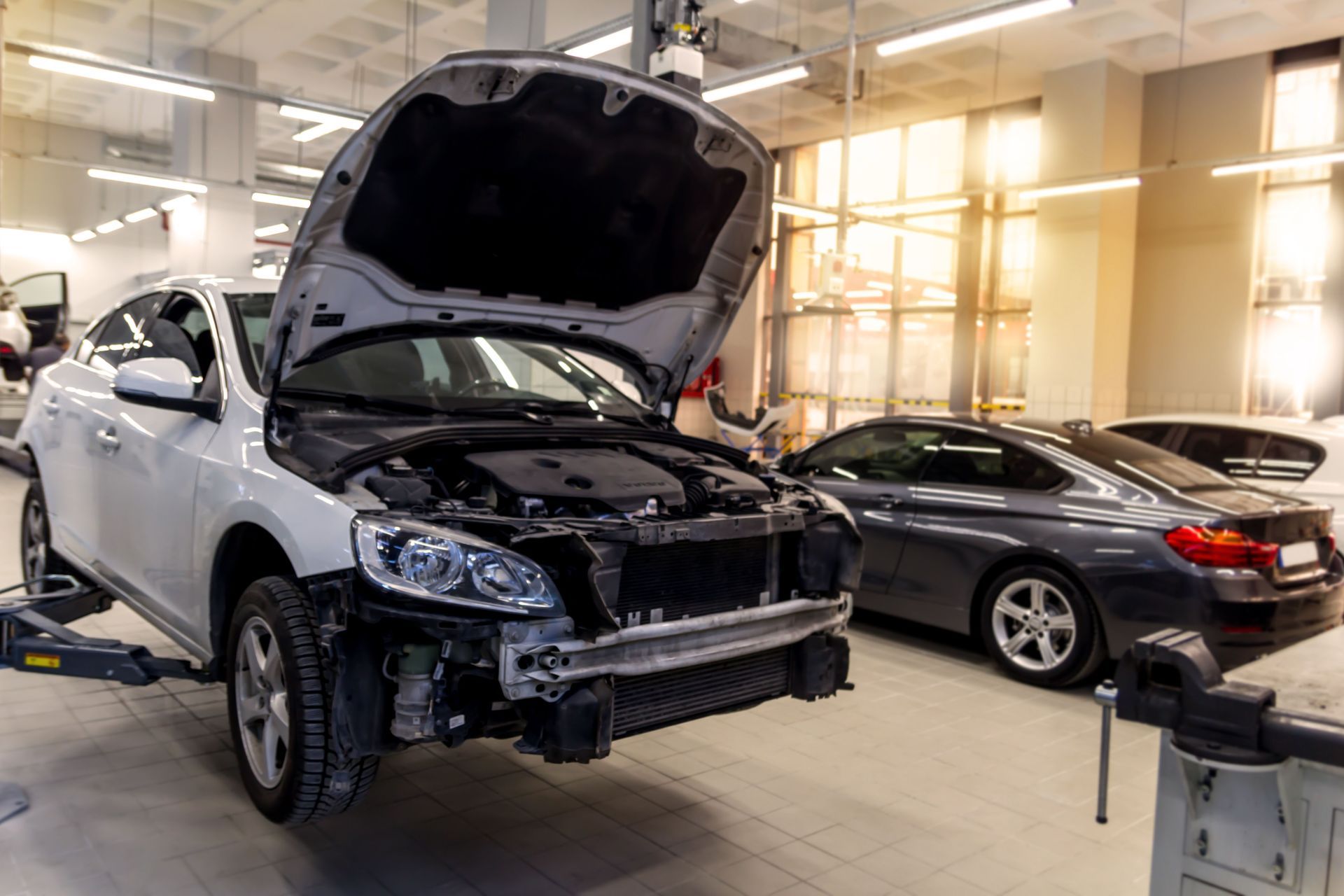
Modern repair facilities use advanced technology such as computerized diagnostics and laser alignment systems. These tools improve accuracy and reduce the chance of missed damage. Well-equipped facilities can restore vehicles more efficiently while maintaining high safety standards. This helps ensure consistent and reliable repair outcomes.
Communication between repair shops and insurance providers also plays a role in the process. Clear coordination helps streamline approvals and ensures repairs are completed correctly. This reduces delays and improves the overall repair experience. Strong standards across facilities contribute to safer roads and better vehicle performance.
Evaluating Cost and Long-Term Safety Value
Repair costs vary depending on the extent of damage and required restoration work. While cost is an important factor, safety should always be the primary concern. High-quality collision repairs help prevent future issues and support long-term vehicle reliability.
Investing in proper repairs also protects the vehicle’s resale value. A well-restored vehicle is more likely to maintain performance and market appeal over time. Choosing complete repairs instead of minimal fixes reduces the risk of recurring problems. This leads to better long-term financial and safety outcomes.
According to Driver Knowledge, more than 90 people die every day in car accidents, highlighting how critical proper vehicle restoration is after a collision. Unsafe or incomplete repairs can increase the risk of future incidents. Ensuring full repair coverage helps reduce these risks and improves road safety overall.
Insurance coverage and financing options can make quality repairs more accessible. This allows vehicle owners to prioritize safety without unnecessary delays. Choosing proper restoration ensures the vehicle remains dependable and safe for continued use.
Collision repairs play a vital role in restoring a vehicle’s safety, performance, and reliability after an accident. From structural alignment to electronic recalibration, each step ensures the vehicle operates as intended. When completed correctly, these repairs reduce risk and support long-term driving confidence.
A properly restored vehicle provides stability, protection, and peace of mind on the road. Ensuring every system is inspected and repaired helps prevent future hazards. For dependable service focused on safety and precision, contact D&H Collision Center.